Turning Renewable Energy into Industrial Infrastructure
Europe’s industrial transformation requires more than political ambition. It requires real energy, resilient infrastructure and projects capable of moving beyond vision into execution. This partnership aims to build industrial-scale Green Hydrogen Infrastructure for Europe.
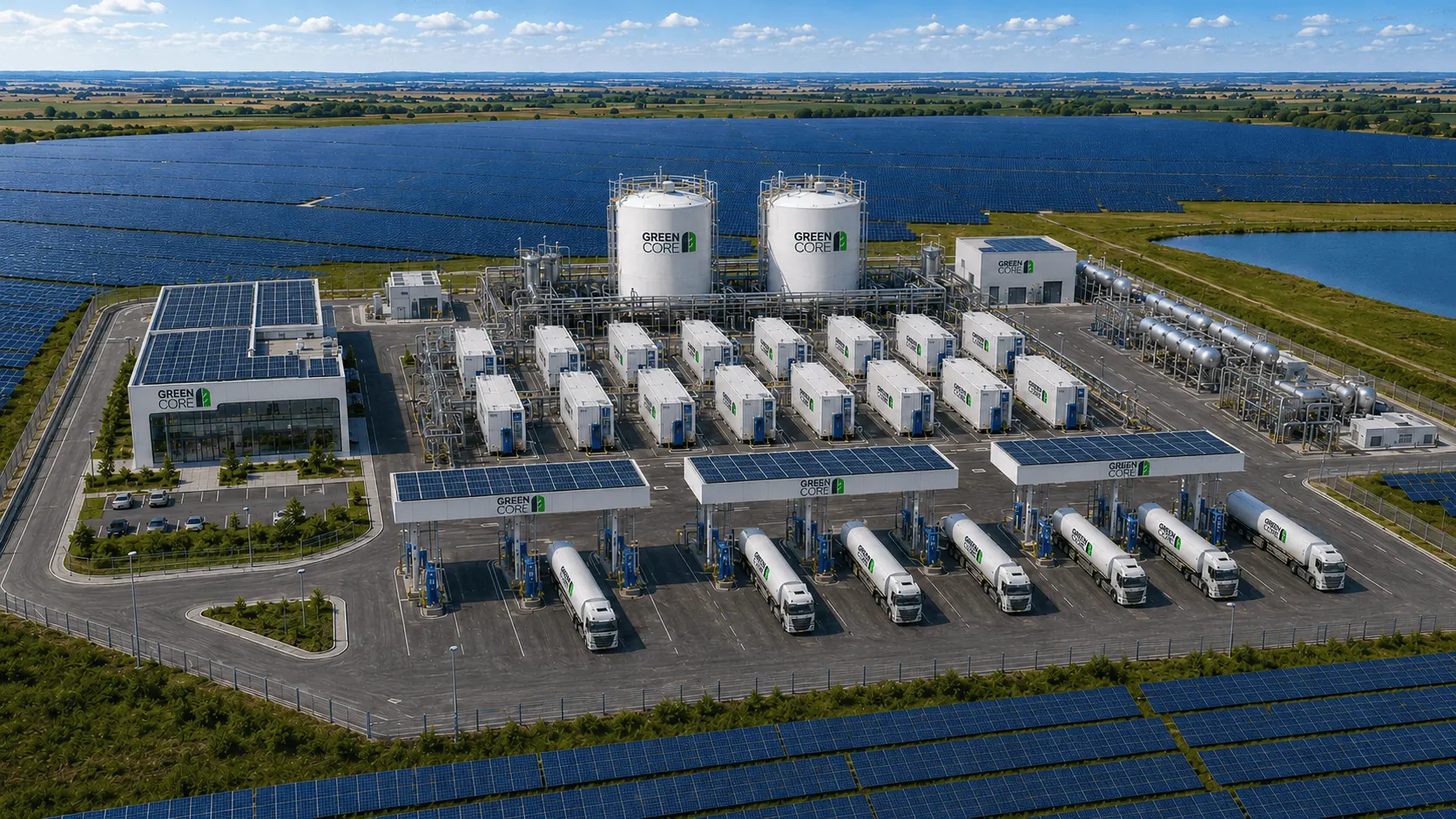
Together with our strategic partner INERCOM, meum GreenCore is developing a green hydrogen project in Bulgaria with genuine industrial scale. The objective of this collaboration is the development of a high-performance platform for the production of green hydrogen, based on renewable energy and designed for long-term scalability.
Interactive globe — renders on the published site
Schaan, Liechtenstein — meum tec Headquarters, Closed AI proof of concept (1 MW)
Zurich, Switzerland — meum tec subsidiary
Sofia, Bulgaria — GreenCore green hydrogen production, 70 MW project with INERCOM
Dubai, UAE — Closed AI full-scale build, 25 MW
Vienna, Austria — active market
Berlin, Germany — active market
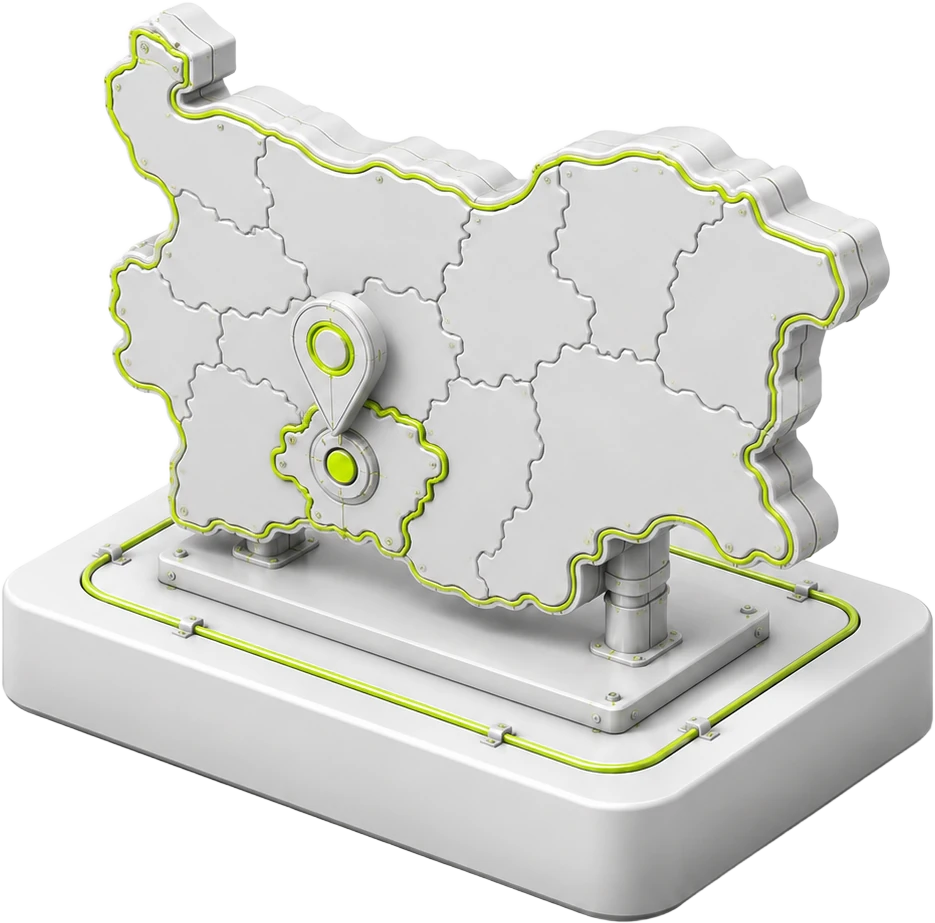
Bulgaria
Strategic location for Europe’s clean energy future.
✓Engineered for Safety·Built for Scalability·Designed for Industry
Long-Term Impact. Real Infrastructure.
01
ENERGY TRANSFORMATION
Turning
renewable energy
into
industrial infrastructure
.
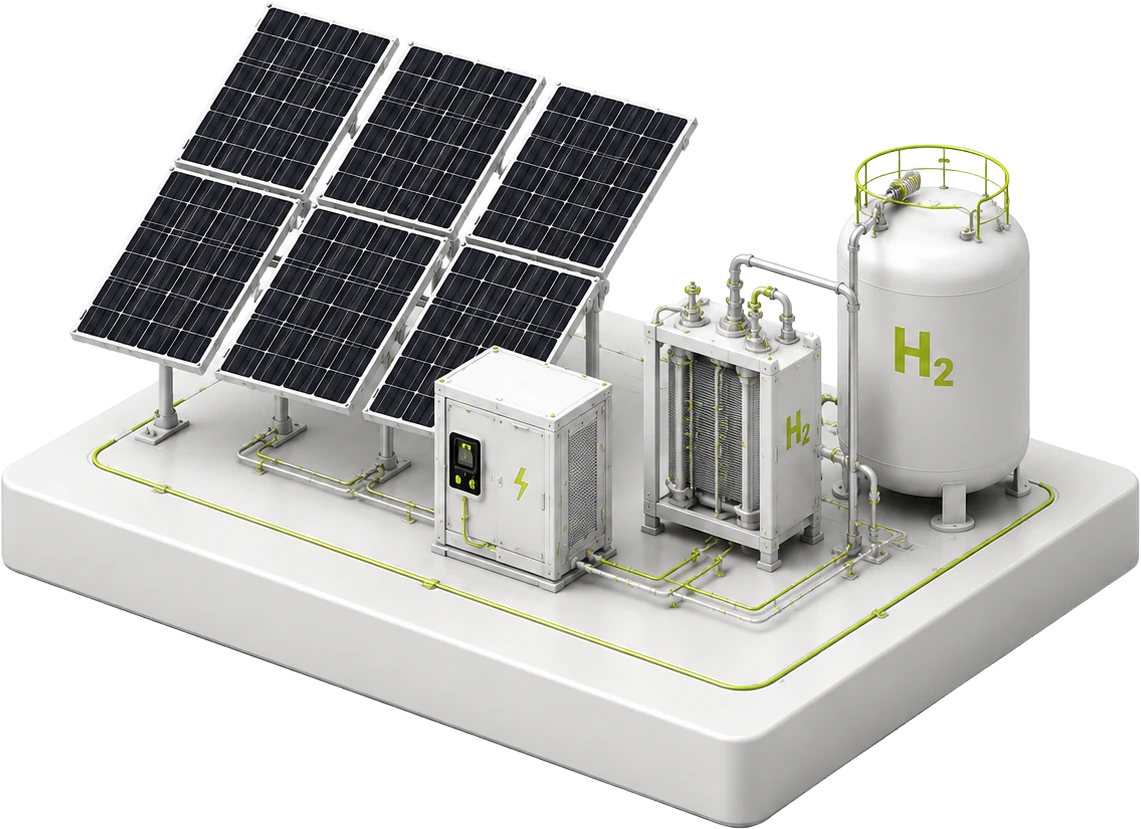
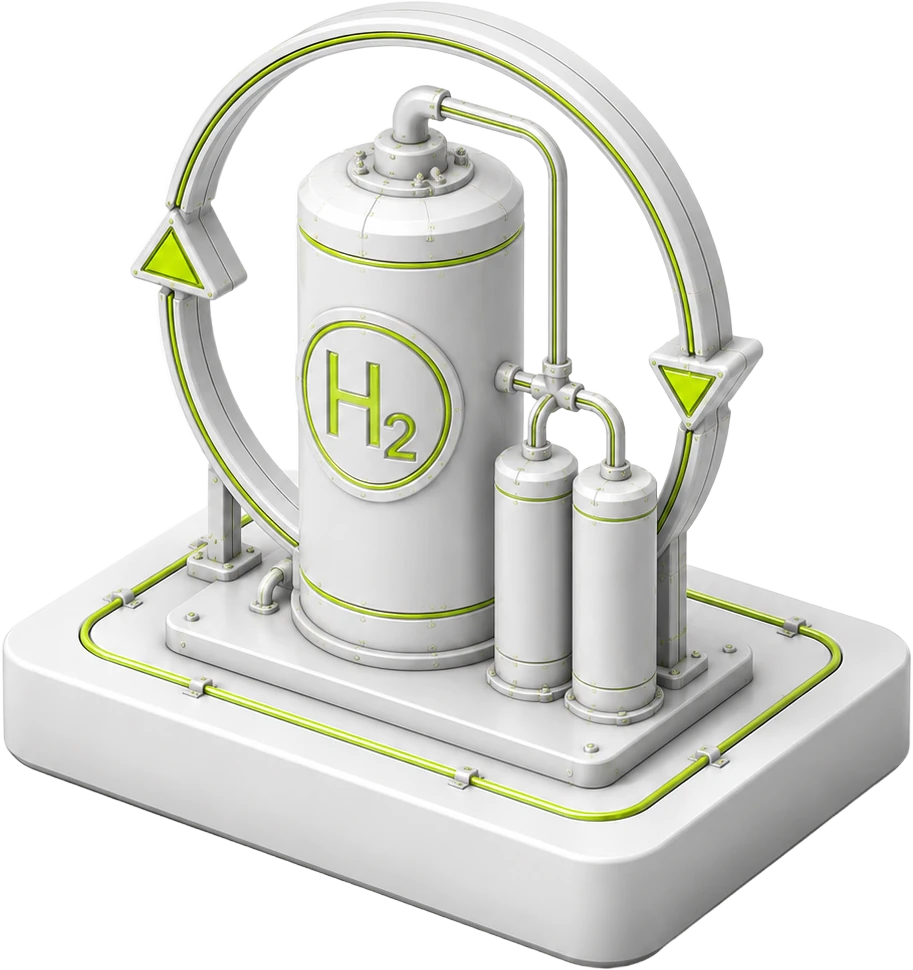
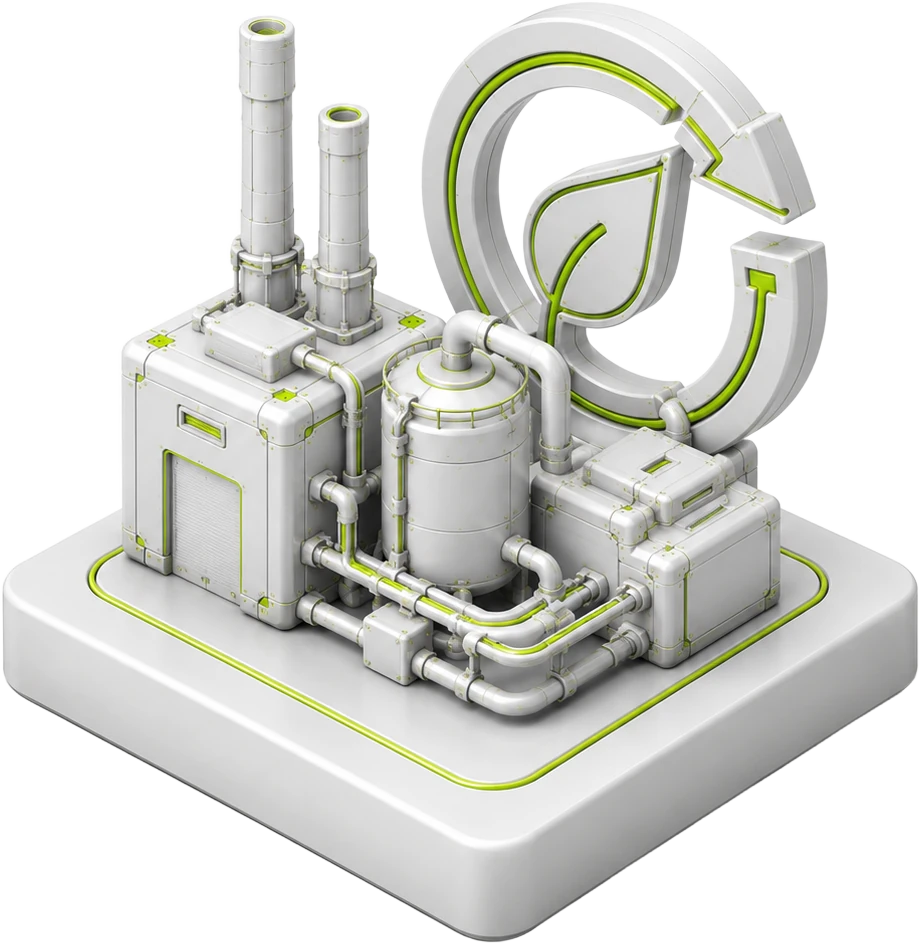
GreenCore converts underutilized renewable electricity into green hydrogen: a storable, transportable, certifiable industrial energy carrier for customers that need more than a sustainability claim.
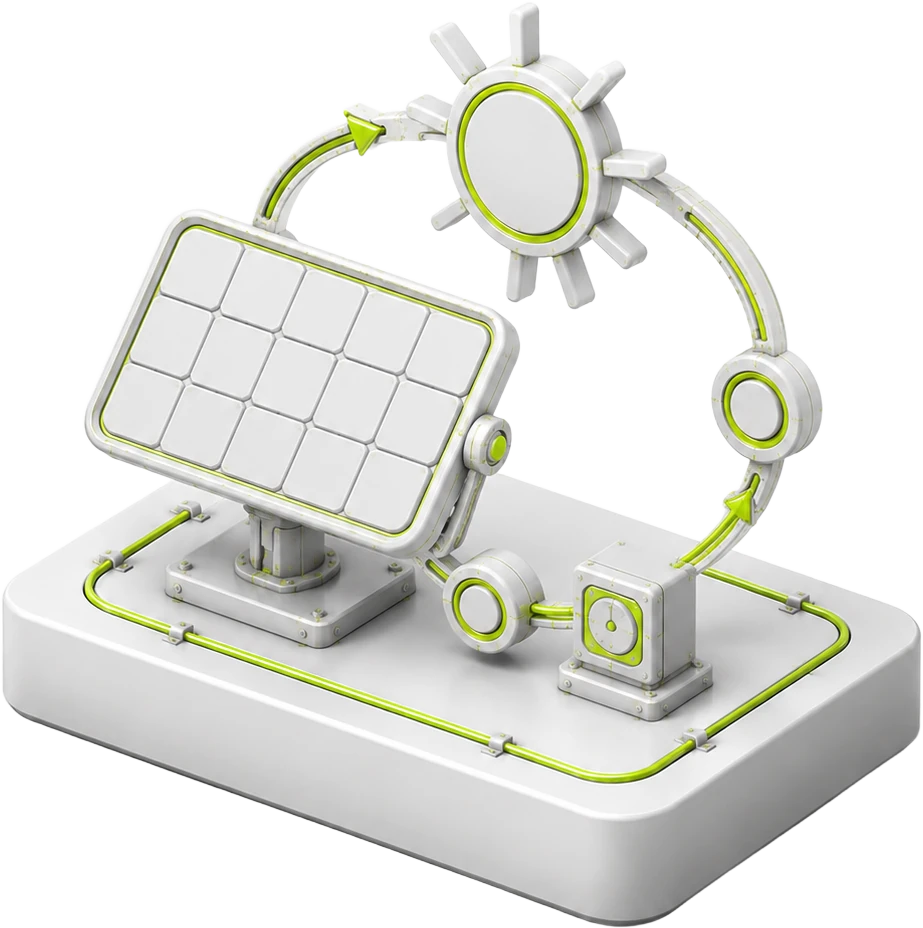
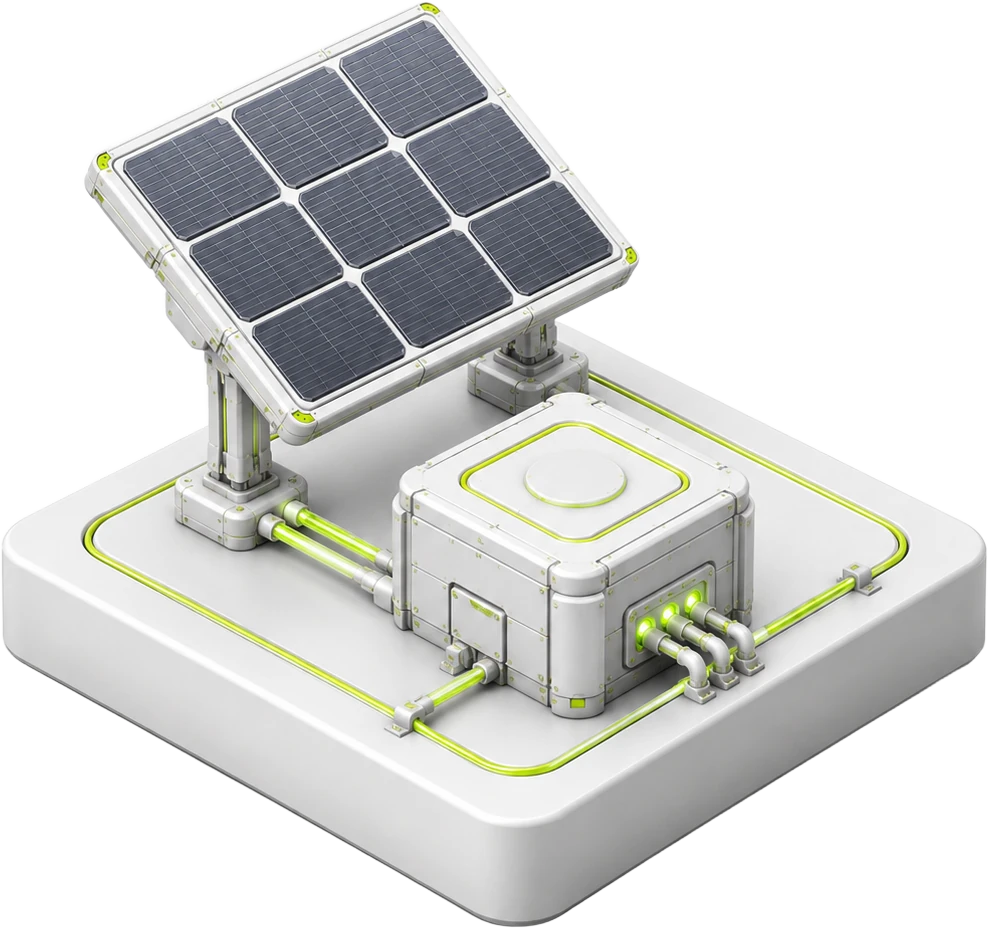
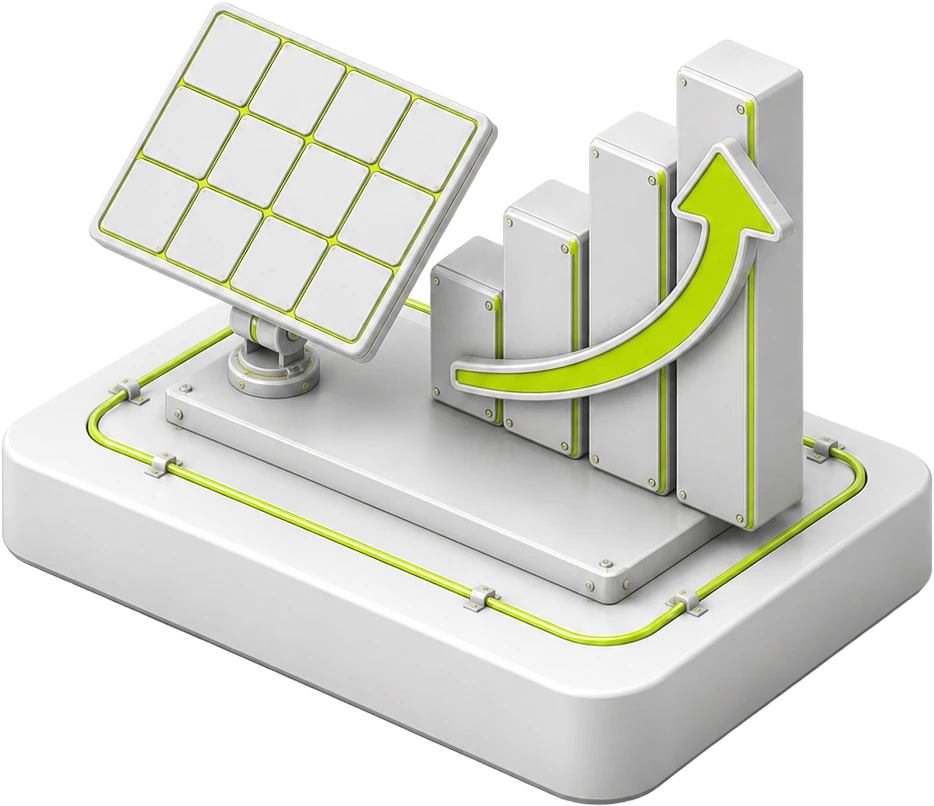
The project begins with a practical energy problem. Solar power is available, but not always usable by the grid or market at the moment it is produced. GreenCore turns that time-bound electricity value into a physical product that can be conditioned, compressed, stored, transported, contracted, and used by industrial customers.
ENERGY BASIS
Using solar surplus as the foundation for hydrogen.
HYDROGEN PLATFORM
An integrated system from power input to industrial offtake.
INDUSTRIAL SUPPLY
Reliable product, logistics, and certification for real customers.
DIGITAL OPERATIONS
Data-driven monitoring, optimization, and future Digital Twin.
Solar surplus · Green hydrogen · Industrial product · Regional supply
02
PROJECT DEFINITION
Not a solar project. Not only an electrolyzer. A complete
hydrogen value chain
.
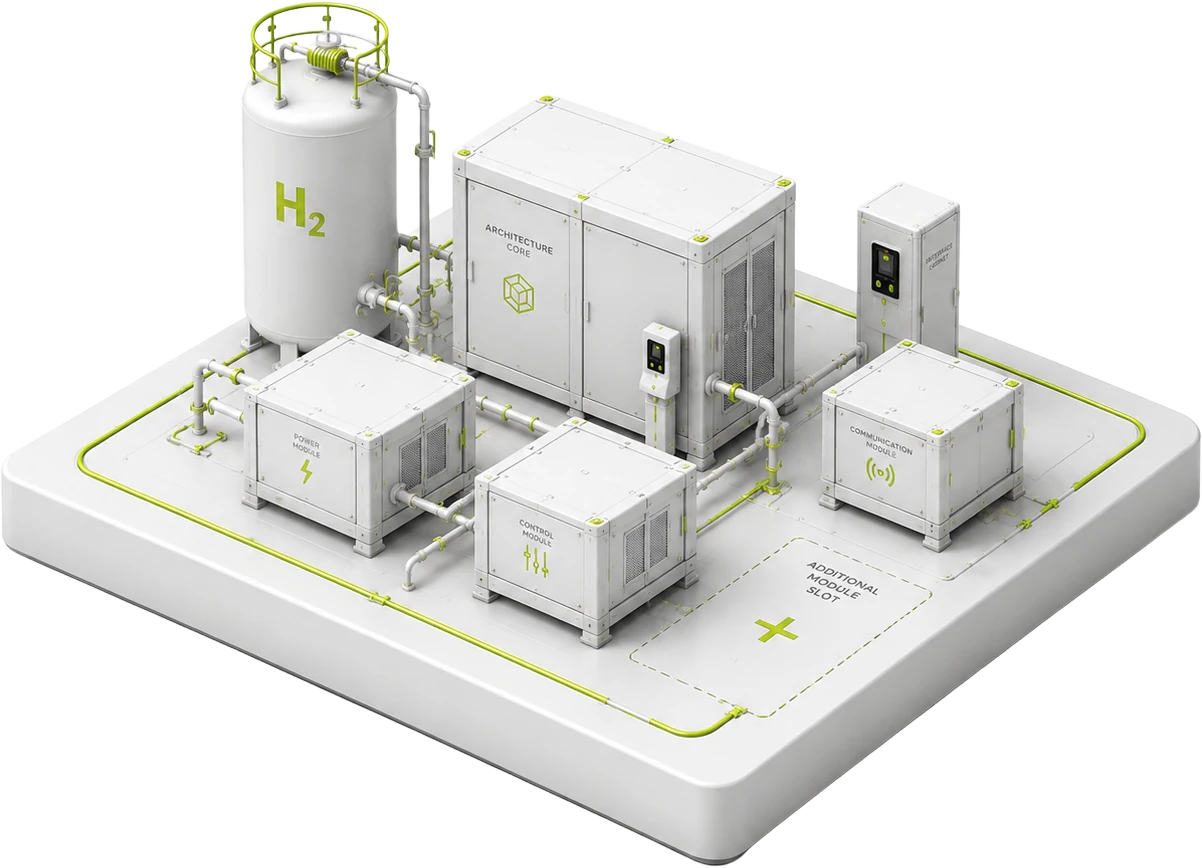
GreenCore is an integrated renewable energy transformation system. The electrolyzer is the conversion core, but the business only works when the whole hydrogen chain is engineered together.
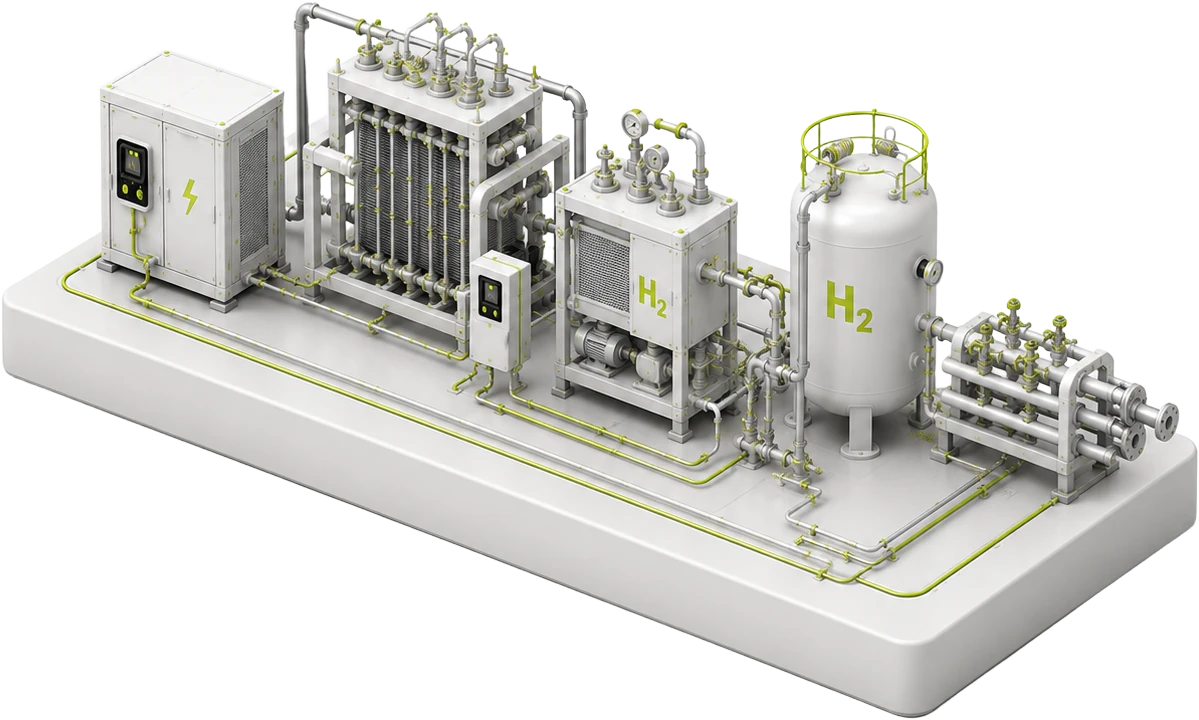
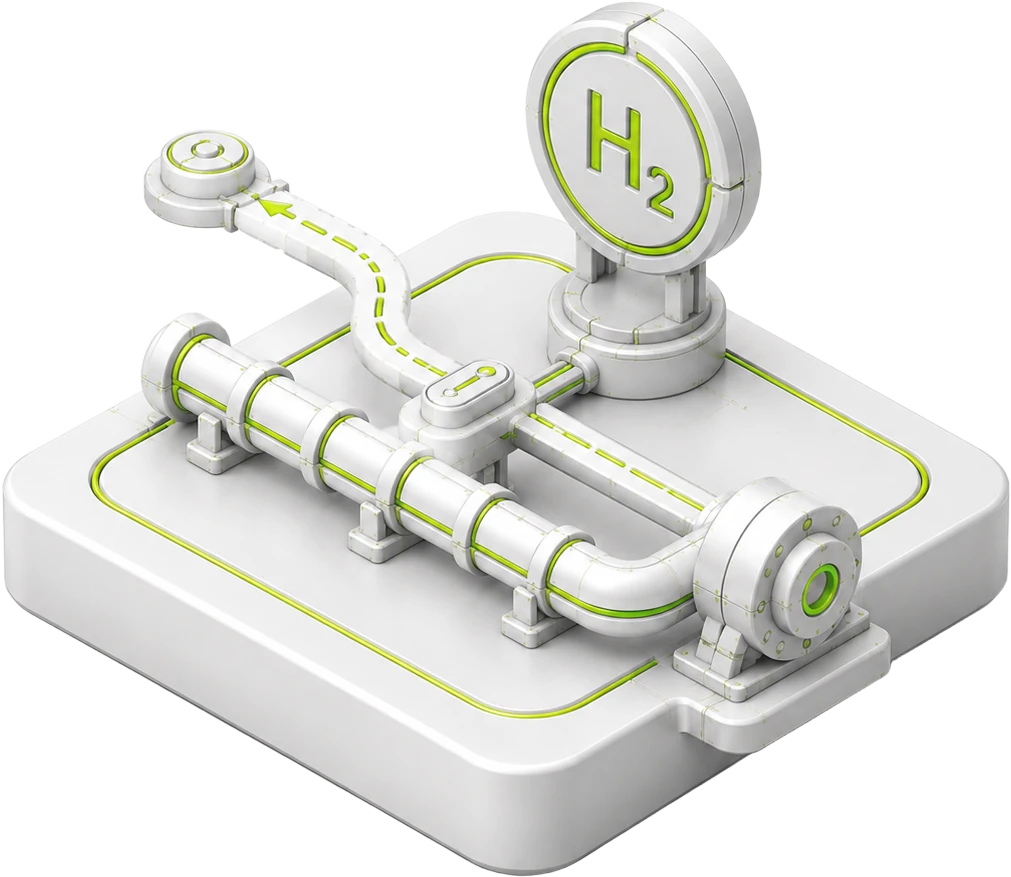
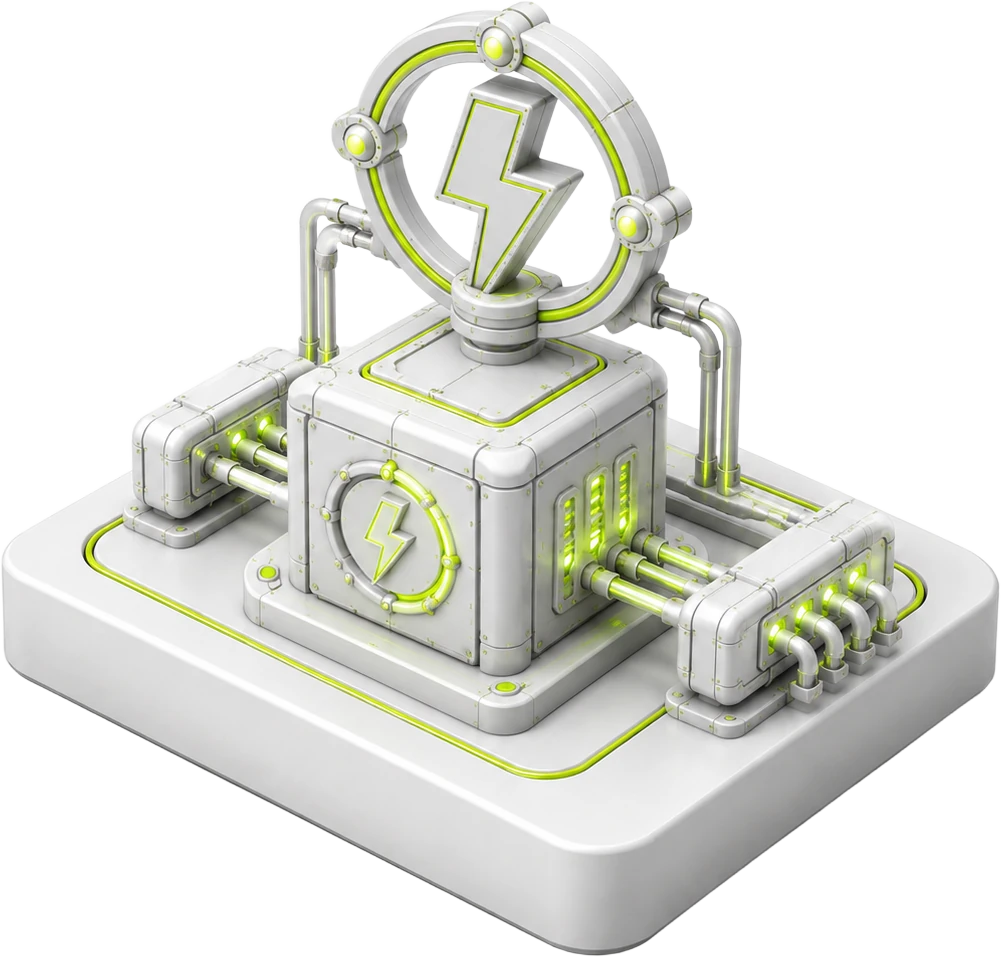
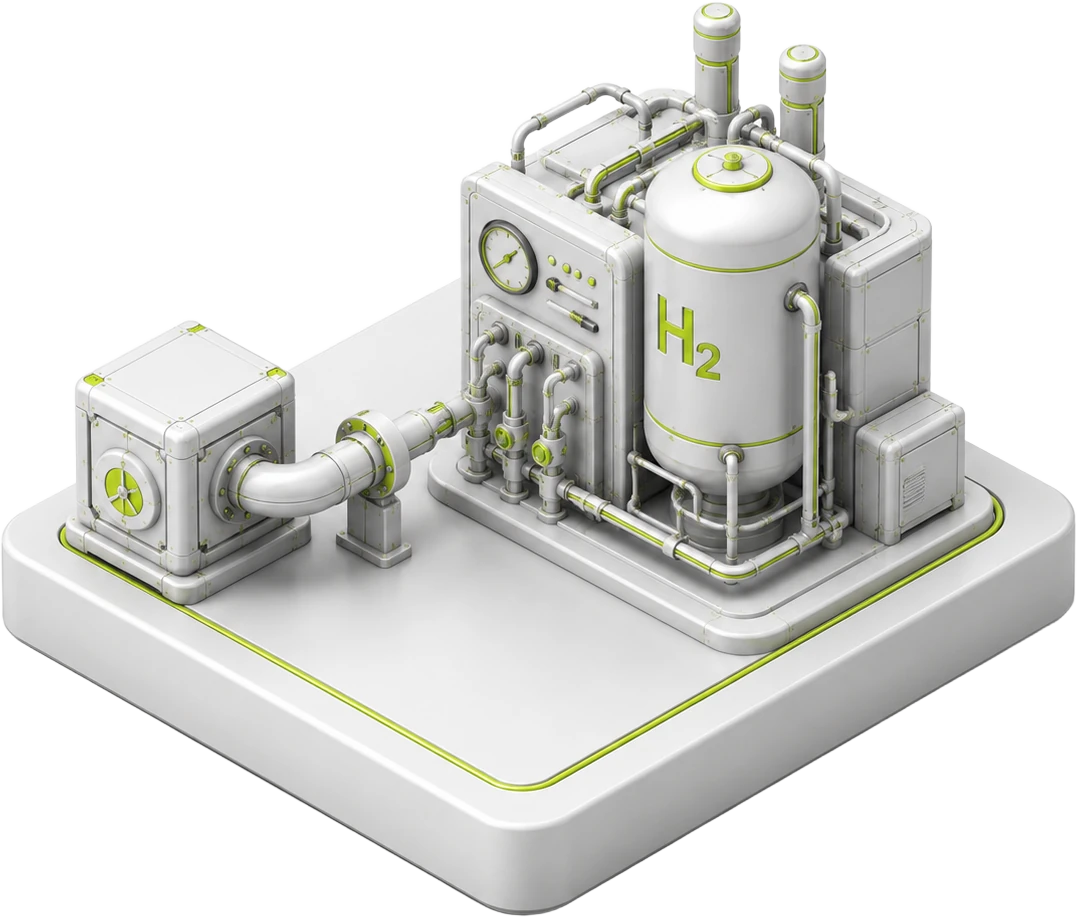
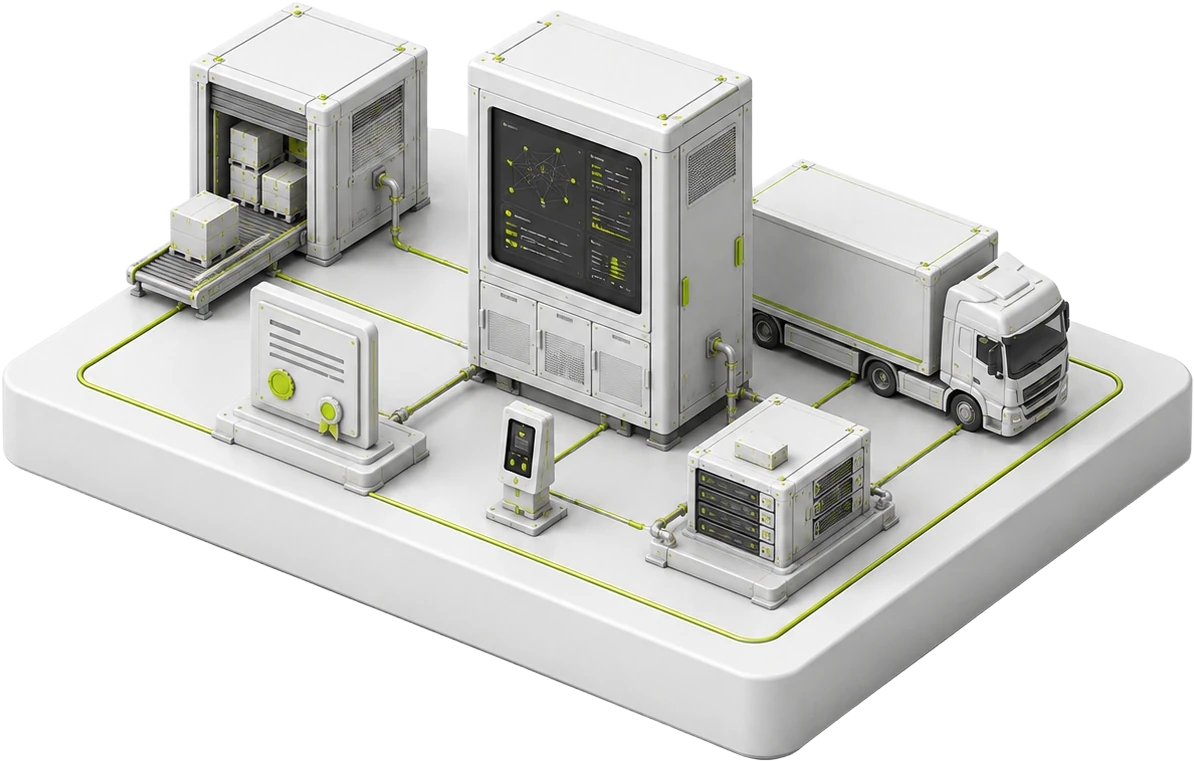
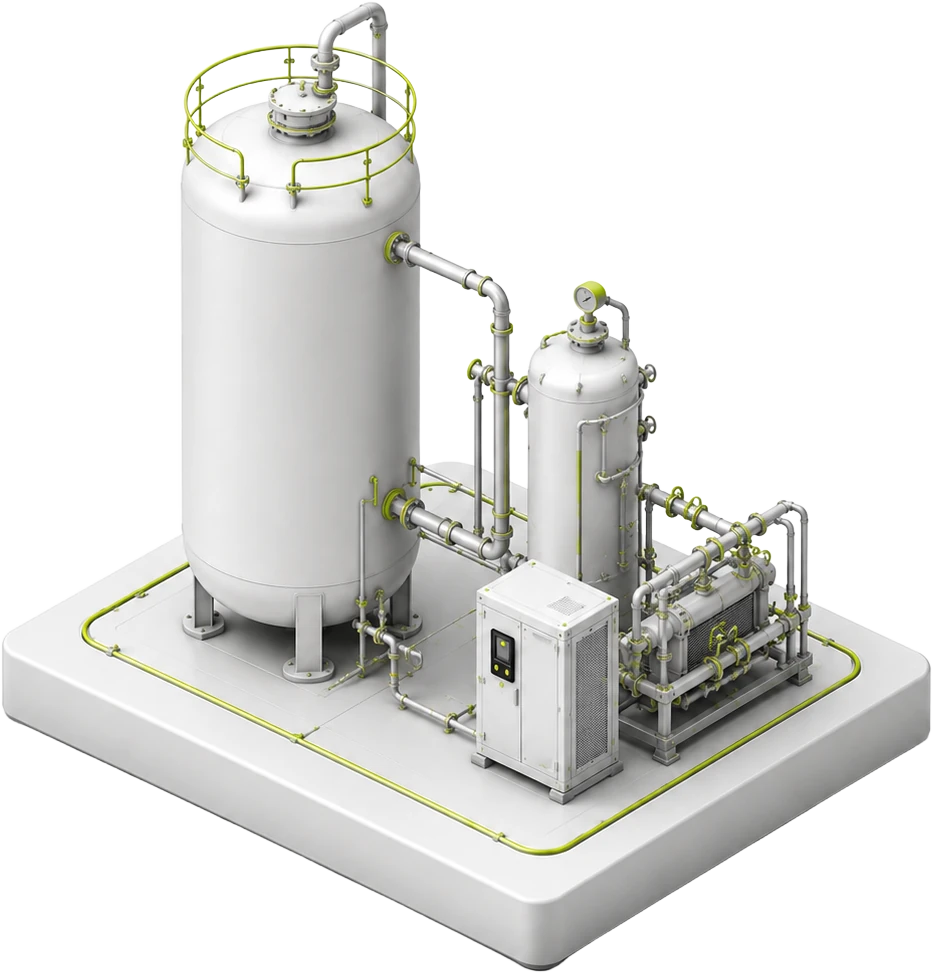
The platform connects renewable power input, electrical conditioning, water treatment, electrolysis, hydrogen drying and gas conditioning, compression, buffer storage, trailer loading, logistics, industrial offtake, traceability, certification readiness, and future scalability. The aim is not simply to produce hydrogen, but to deliver hydrogen in a form that industrial customers can use reliably.
Solar surplus
→
Power management
→
Water treatment
→
Electrolysis
→
Gas conditioning
→
Compression
→
Storage
→
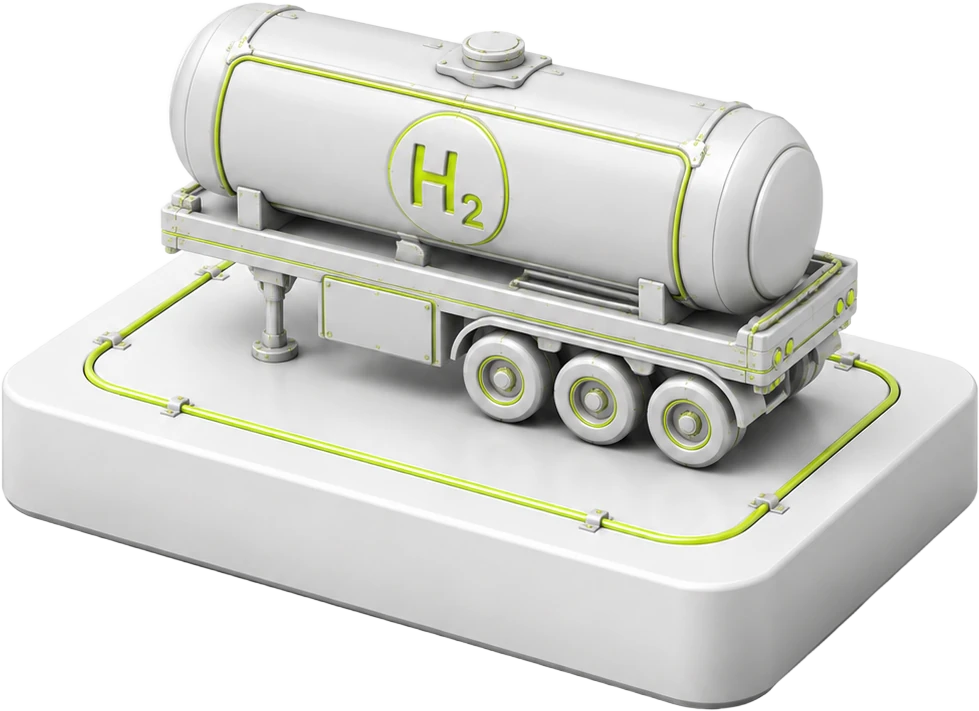
Trailer loading
→
Industrial offtake
Power interface · Water treatment · PEM electrolysis · Compression · Trailer logistics · Industrial offtake
03
PROJECT AT A GLANCE
Industrial scale, planned with
implementation discipline
.
The Bulgaria platform is planned as a meaningful industrial hydrogen development, with solar-profile operation, regional logistics, and a scalable infrastructure architecture.
The figures below should be presented as planning-level project parameters. They help explain the scale and operating logic, but they are not final EPC guarantees until supplier selection, final engineering, permitting, financing, and contractual commitments are complete.
Bulgaria
Pazardzhik / Apriltsi region
65–70 MW
Approximate electrical connection capacity
Solar-profile
Operating logic aligned with renewable availability
237–256 GWh
Approximate annual energy input range
4,300–5,100 t H₂/year
Indicative annual production potential
13–14 m³/h
Indicative water requirement during production hours
Compressed H₂
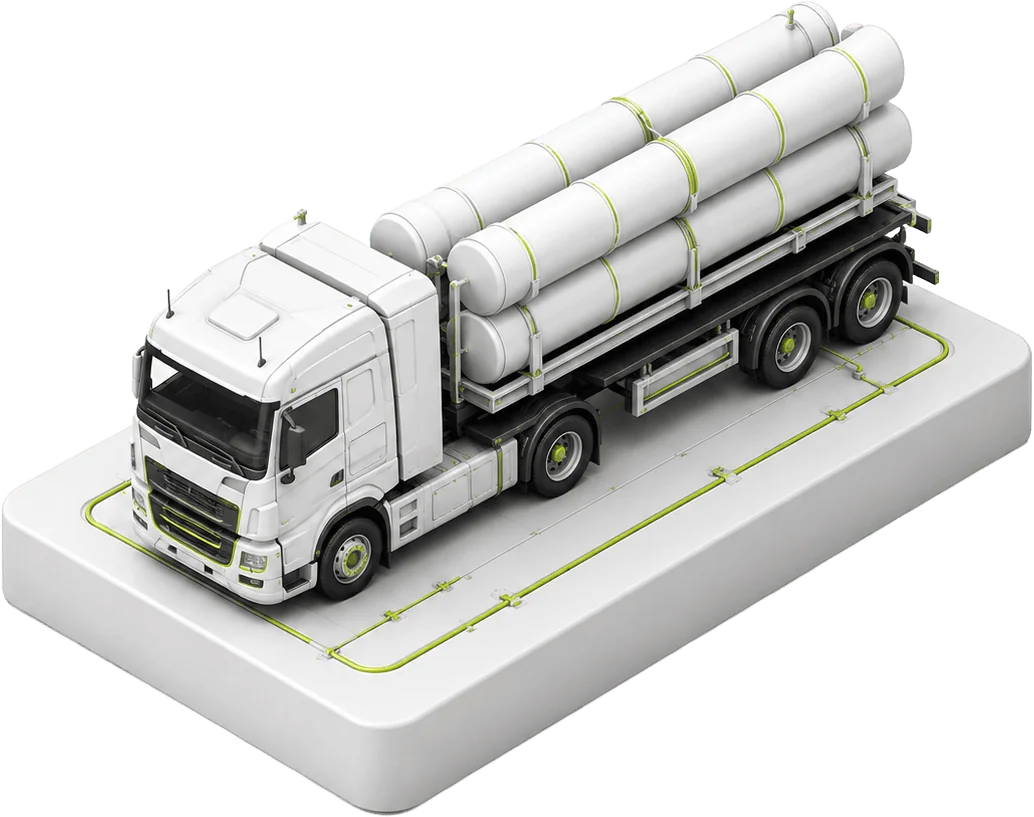
Trailer-first regional delivery logic
Scalable platform
Expandable first site and replicable model
04
LOCATION LOGIC
Why
Bulgaria
matters.
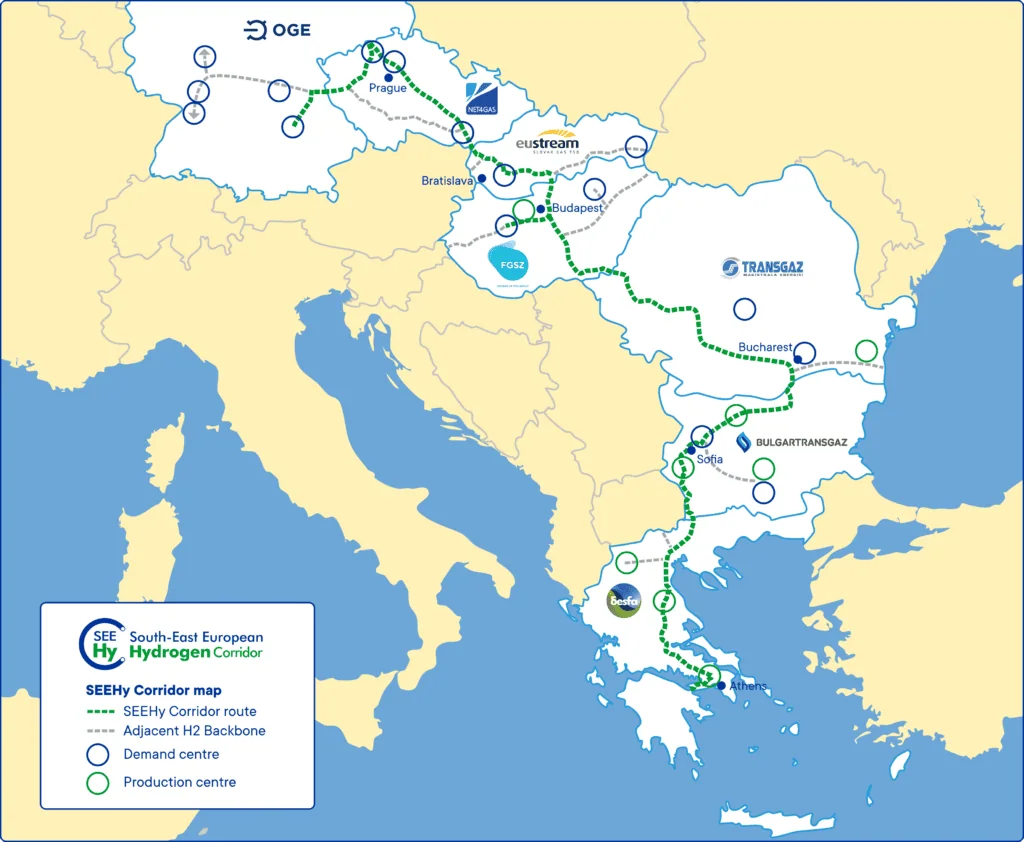
Bulgaria connects renewable generation potential with industrial demand, EU market integration, and future hydrogen corridor relevance.
The country matters because it combines solar availability, renewable generation growth, grid-integration challenges, industrial land and infrastructure, cost advantages, EU regulatory alignment, and demand from industrial sectors that need decarbonized molecules. The project is not positioned as an abstract export story. It begins with regional industrial value and remains prepared for wider European integration over time.
SOLAR RESOURCE
Strong solar potential and renewable growth.
GRID CHALLENGE
Time-bound surplus and grid integration needs.
INDUSTRIAL DEMAND
Active industrial base with decarbonization needs.
EU INTEGRATION
EU member state with regulatory alignment.
CORRIDOR OPTIONALITY
Future connection to hydrogen infrastructure.
South-East Europe · EU market · Industrial demand · Regional-first supply · Future corridor optionality
05
SITE & ENERGY FOUNDATION
Built around
practical infrastructure
, not hypothetical supply.
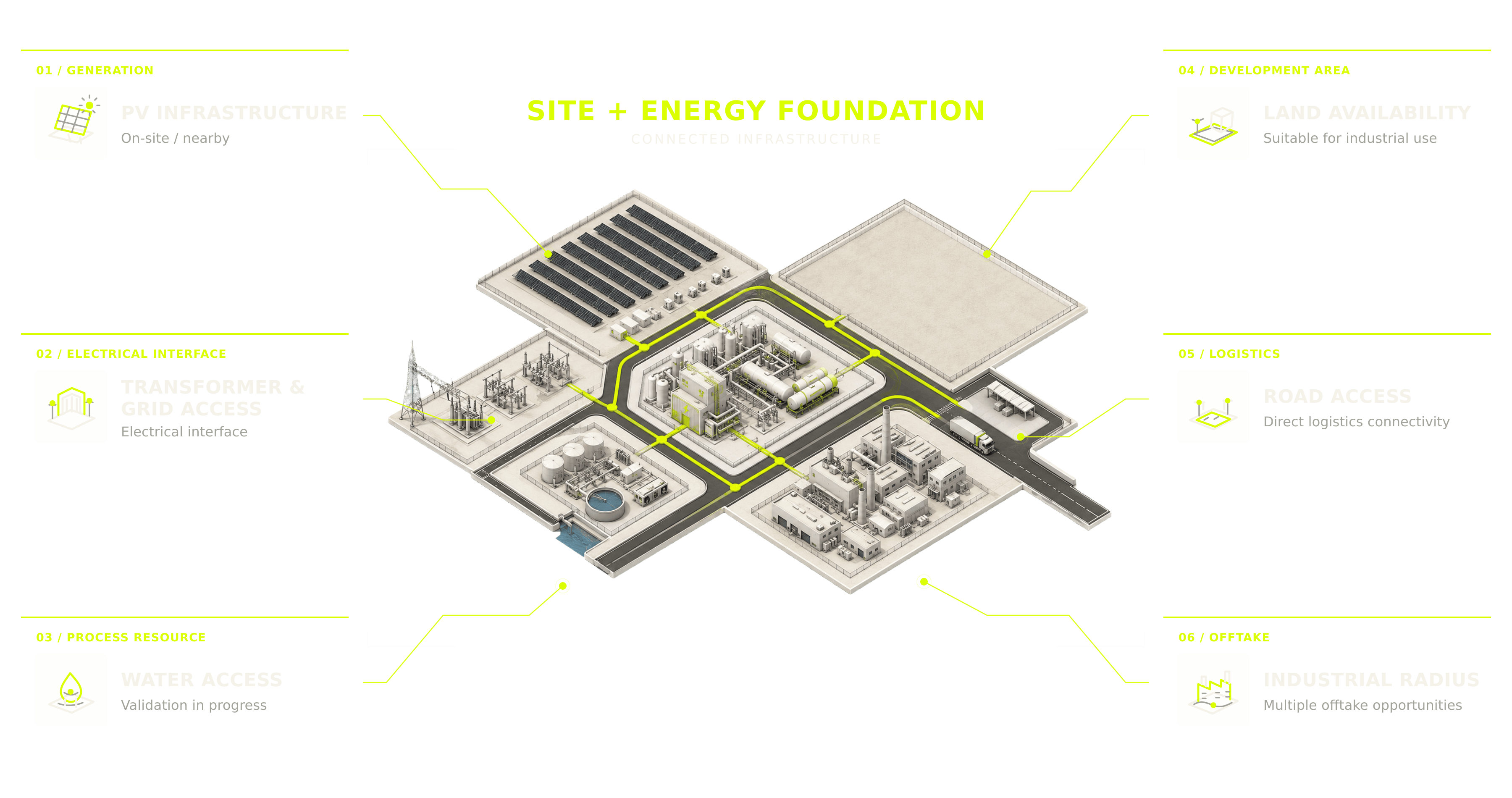
The Pazardzhik / Apriltsi site logic is based on proximity: renewable generation, electrical infrastructure, potential water access, land, road logistics, and reachable industrial demand zones.
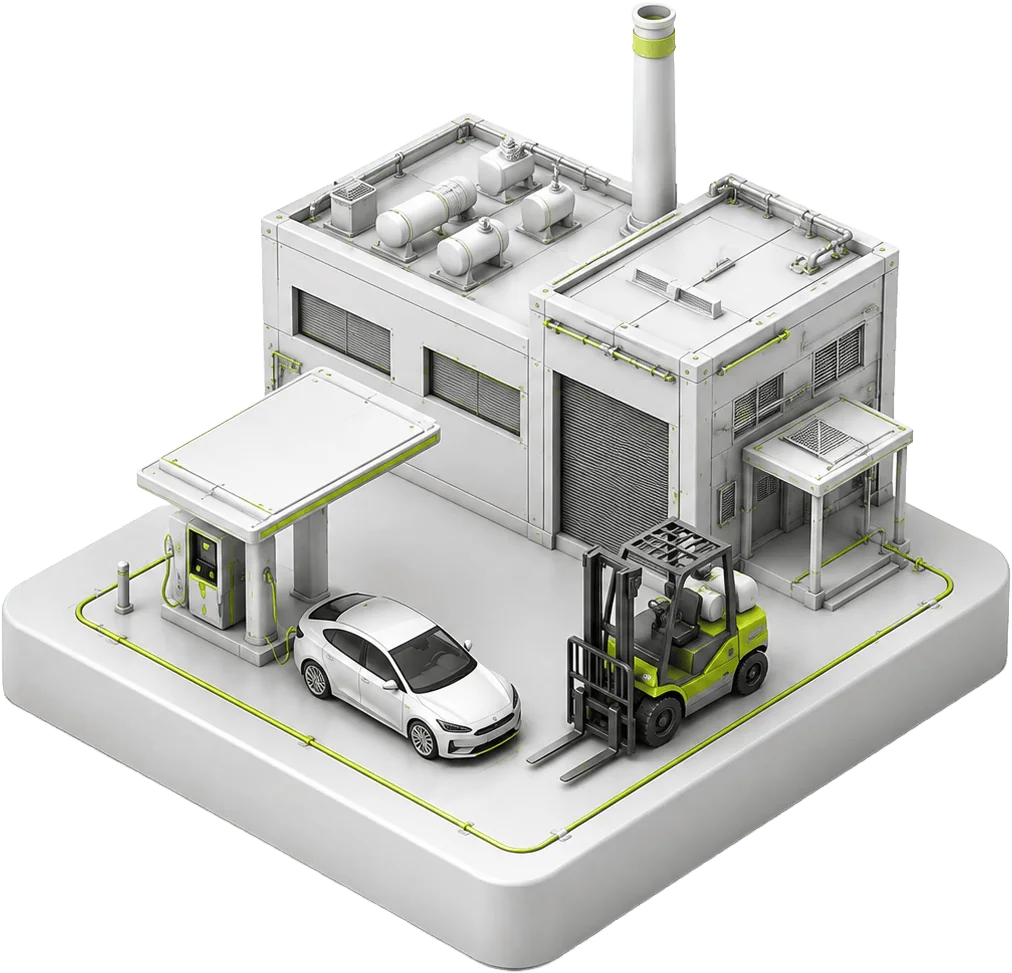
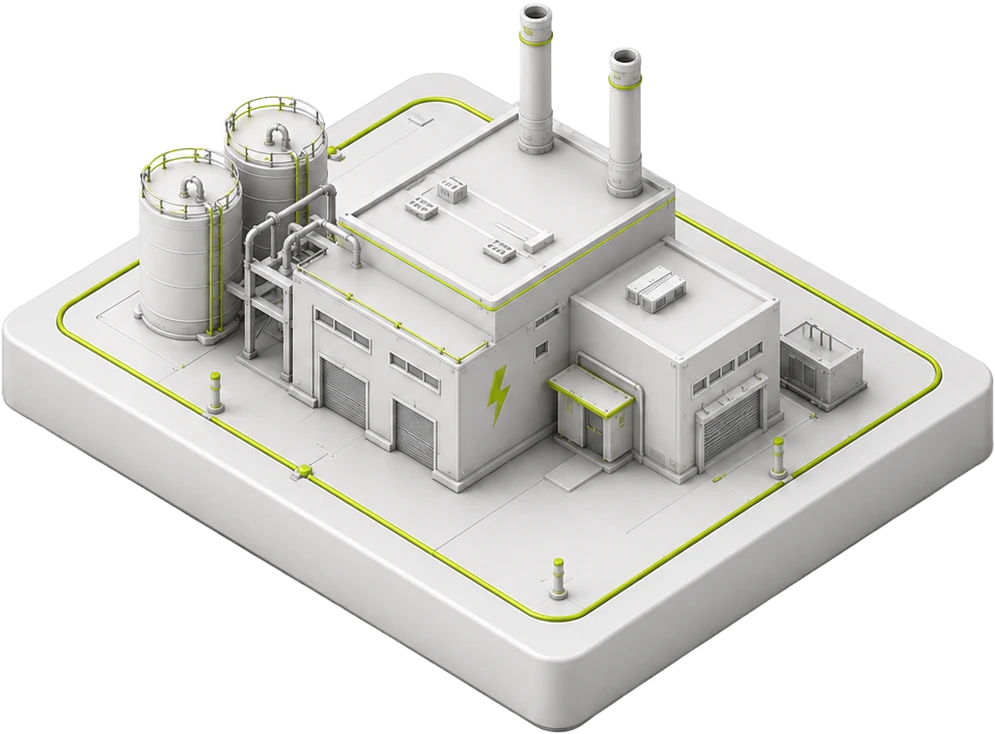
The production platform is planned near existing photovoltaic and electrical infrastructure so that renewable electricity, electrolysis, water treatment, storage, and logistics can be organized as one industrial system. The site is not simply a plot of land; it is part of the business case.
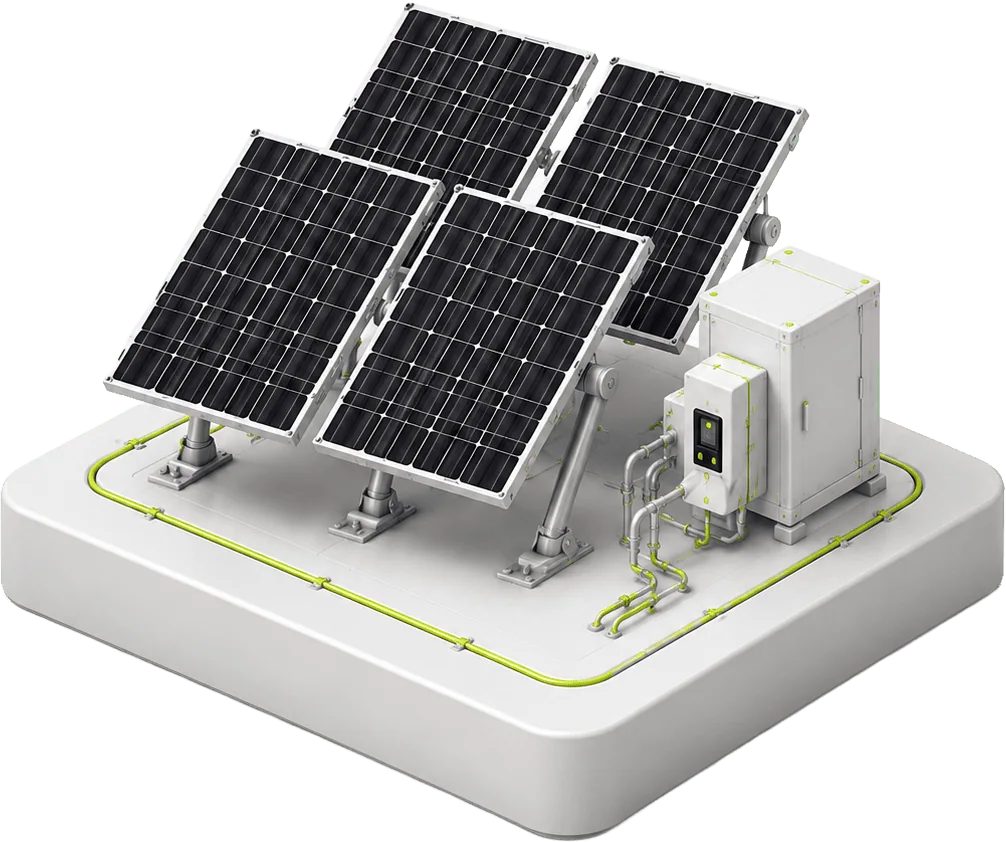
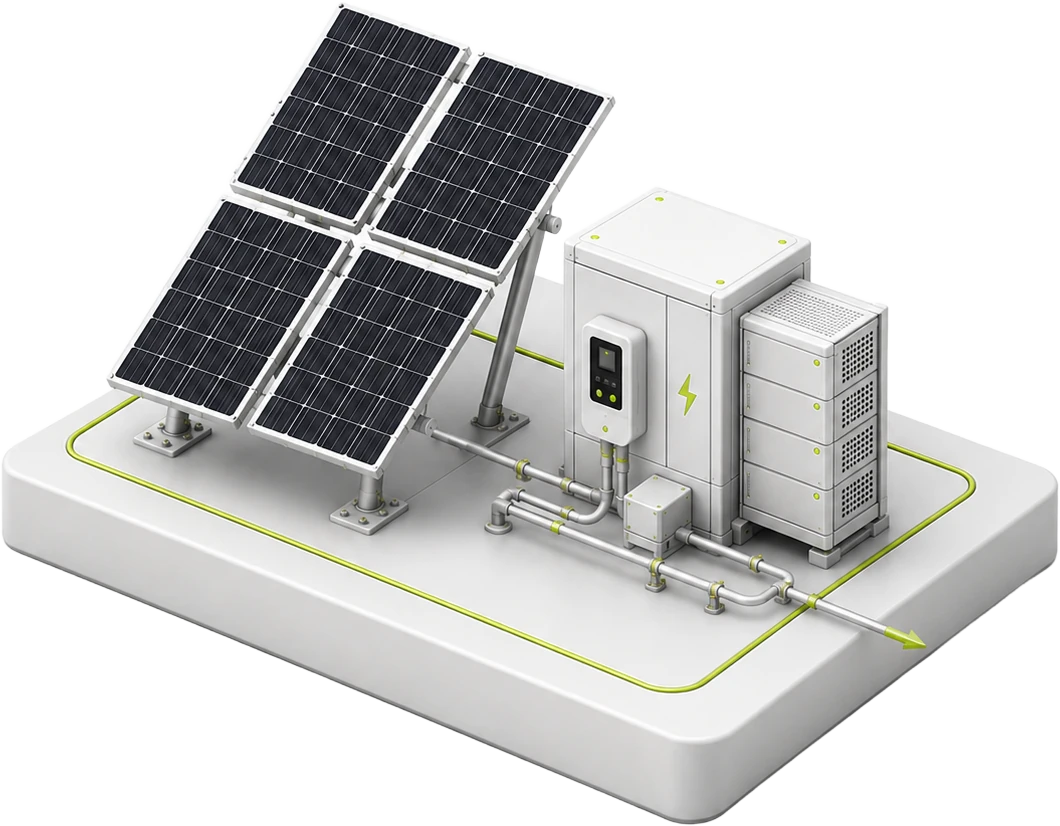
PV INFRASTRUCTURE
On-site / nearby
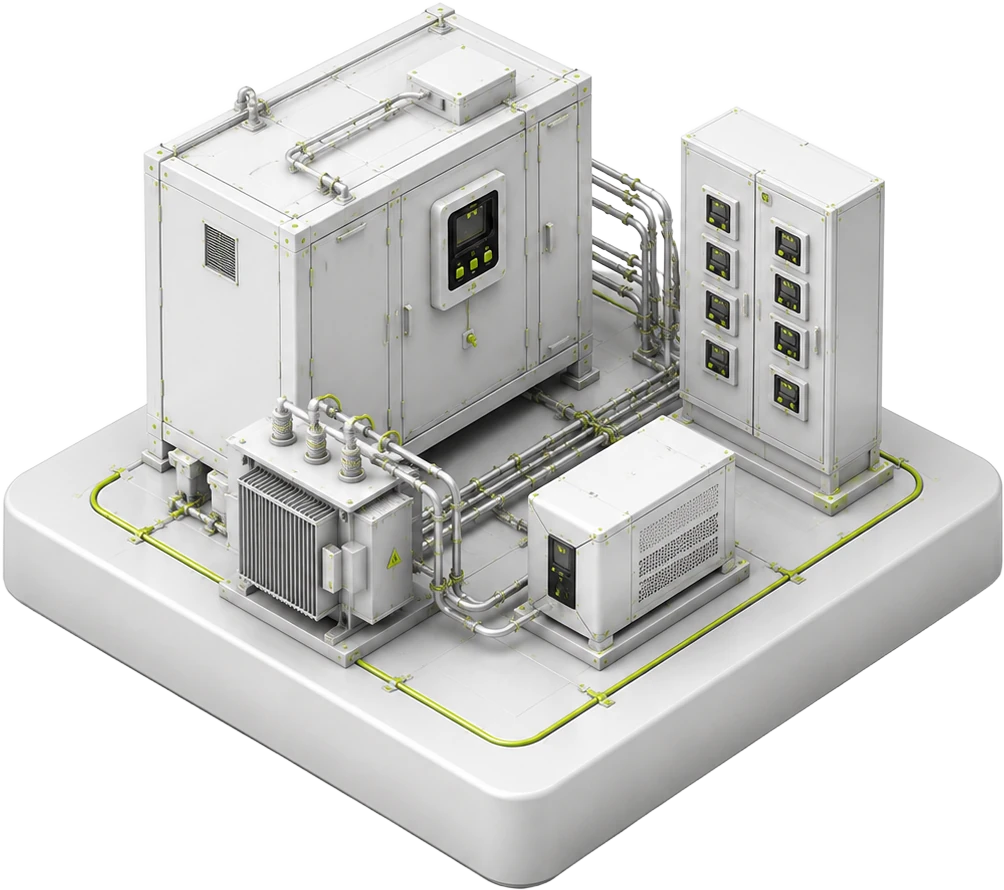
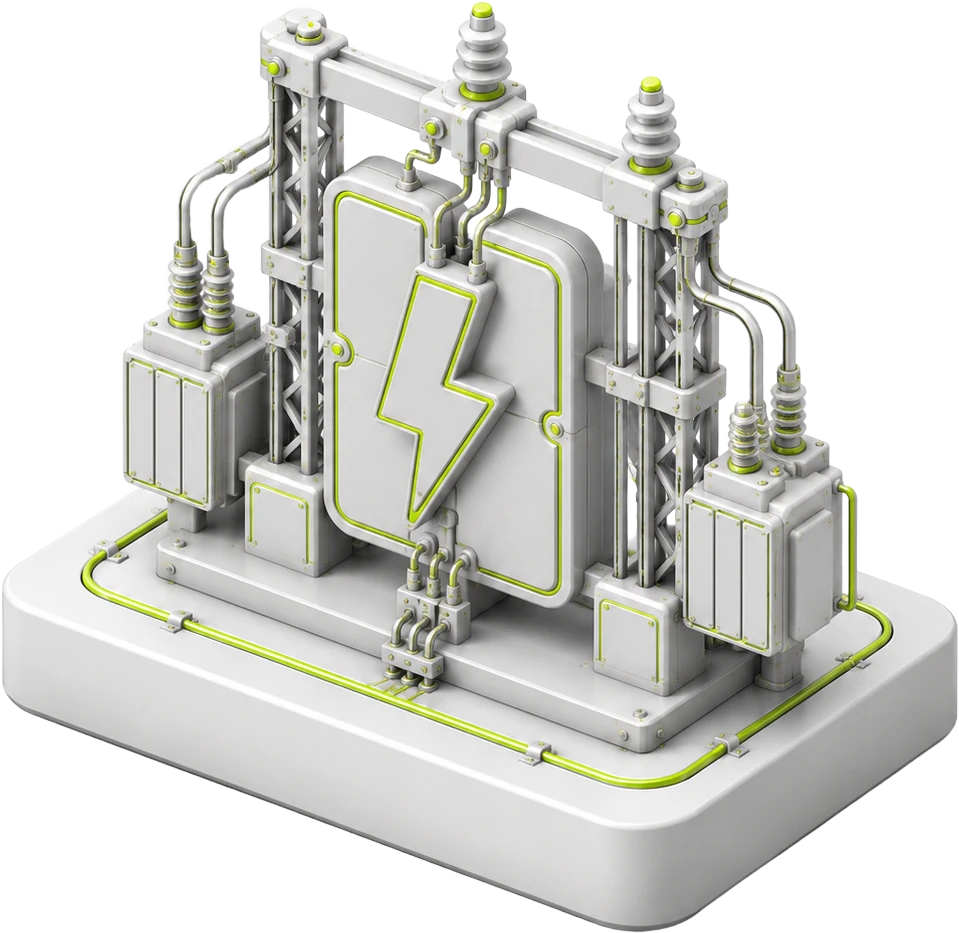
TRANSFORMER & GRID ACCESS
Electrical interface
WATER ACCESS
Validation in progress
LAND AVAILABILITY
Suitable for industrial use
ROAD ACCESS
Direct logistics connectivity
INDUSTRIAL RADIUS
Multiple offtake opportunities
Strategic renewable-energy partner
The project is supported by a local renewable-energy infrastructure partner that contributes the existing energy foundation, site proximity, and regional project context. GreenCore’s role is to bring the system architecture, hydrogen platform logic, supplier evaluation, commercial structuring, digital operating philosophy, and scalability pathway.
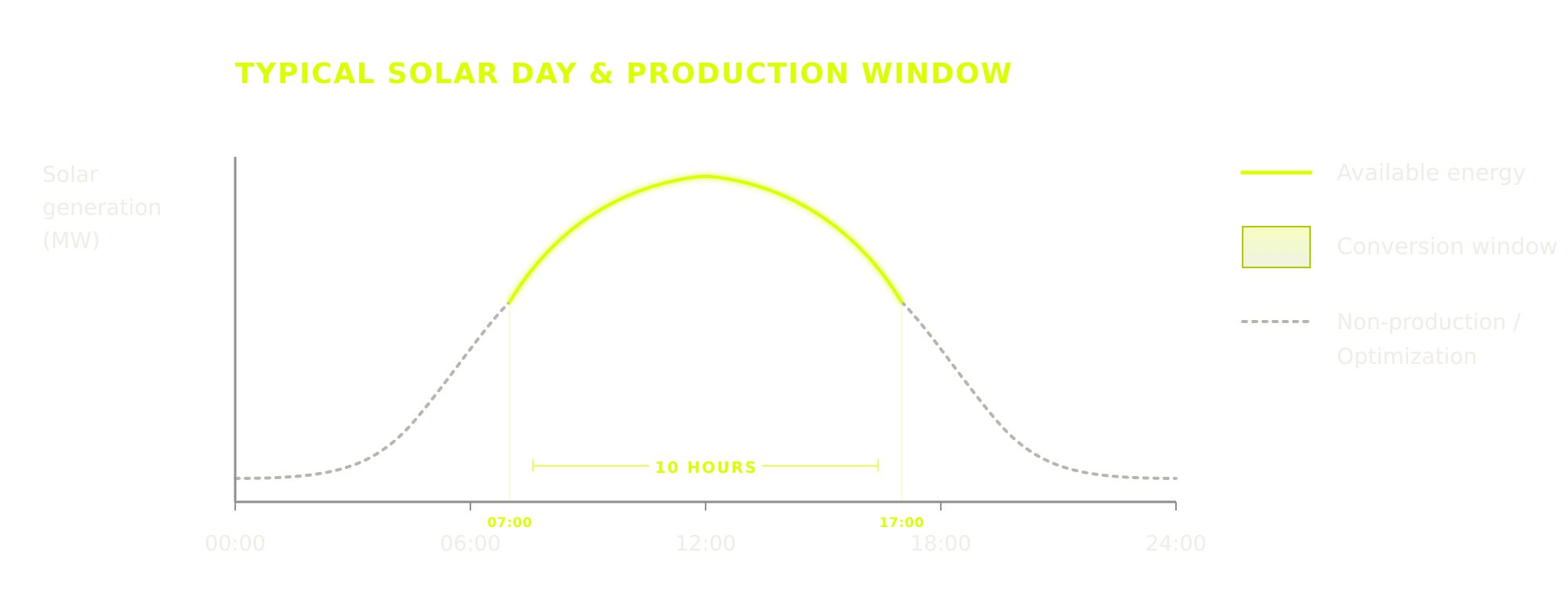
The project transforms available solar surplus into green hydrogen, turning a grid and market timing problem into a new industrial product.
Renewable electricity does not always have the same value at every hour of the day. When solar generation exceeds immediate grid or market absorption, GreenCore can use that available renewable input for electrolysis. The result is not electricity storage for routine reconversion; it is hydrogen as a physical industrial product.
Available solar surplus
→
Conversion window
→
Stored product (H₂)
Solar-profile input · Production window · Energy transformation · Stored product
07
HYDROGEN VALUE CHAIN
How renewable electricity becomes
industrial supply
.
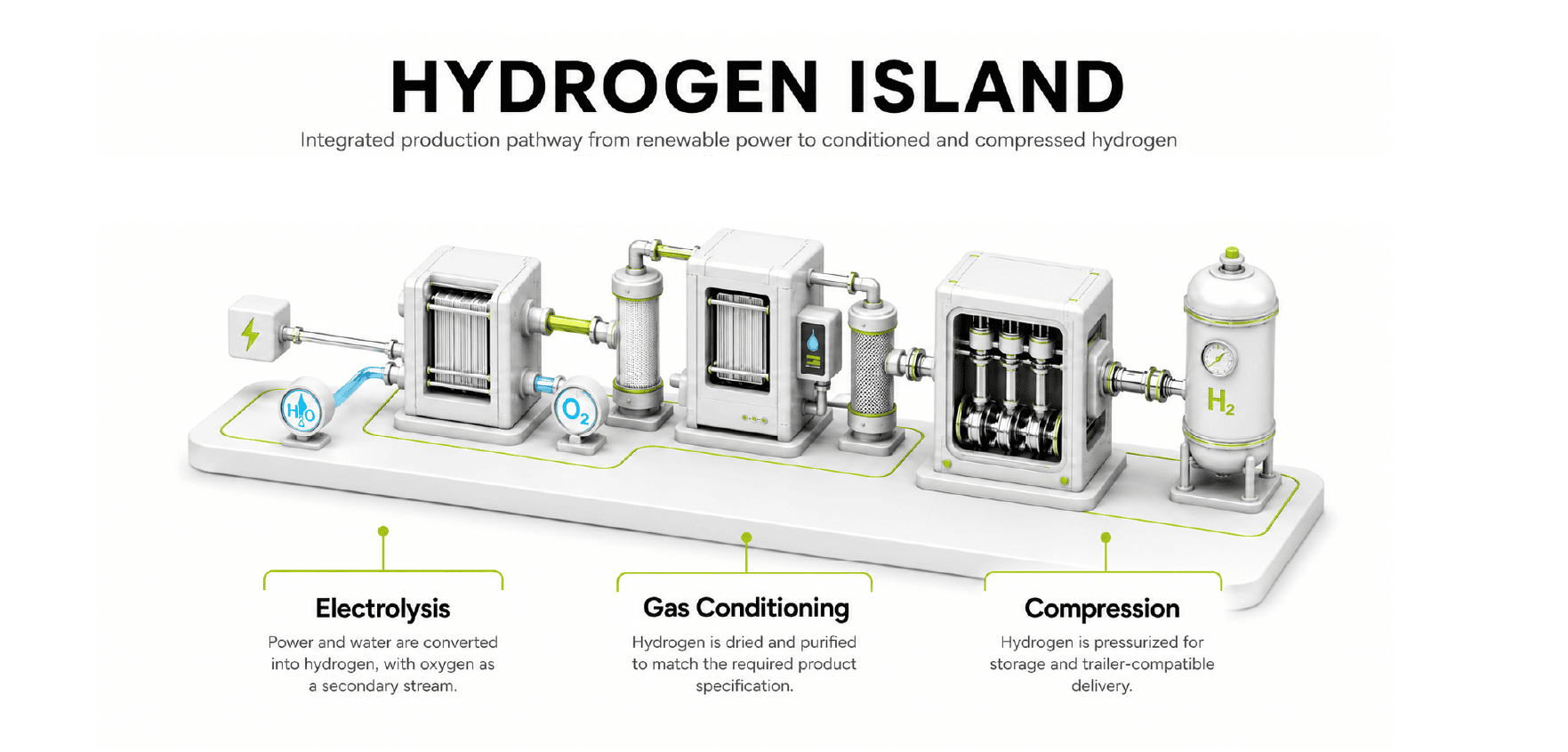
GreenCore’s value is created across the full chain: input, conversion, product preparation, logistics, and customer delivery.
01
Renewable power interface
Available solar surplus is captured through the renewable-energy foundation and prepared for controlled plant operation.
02
Power management
Electrical conditioning and control systems stabilize the input for dynamic electrolyzer operation.
03
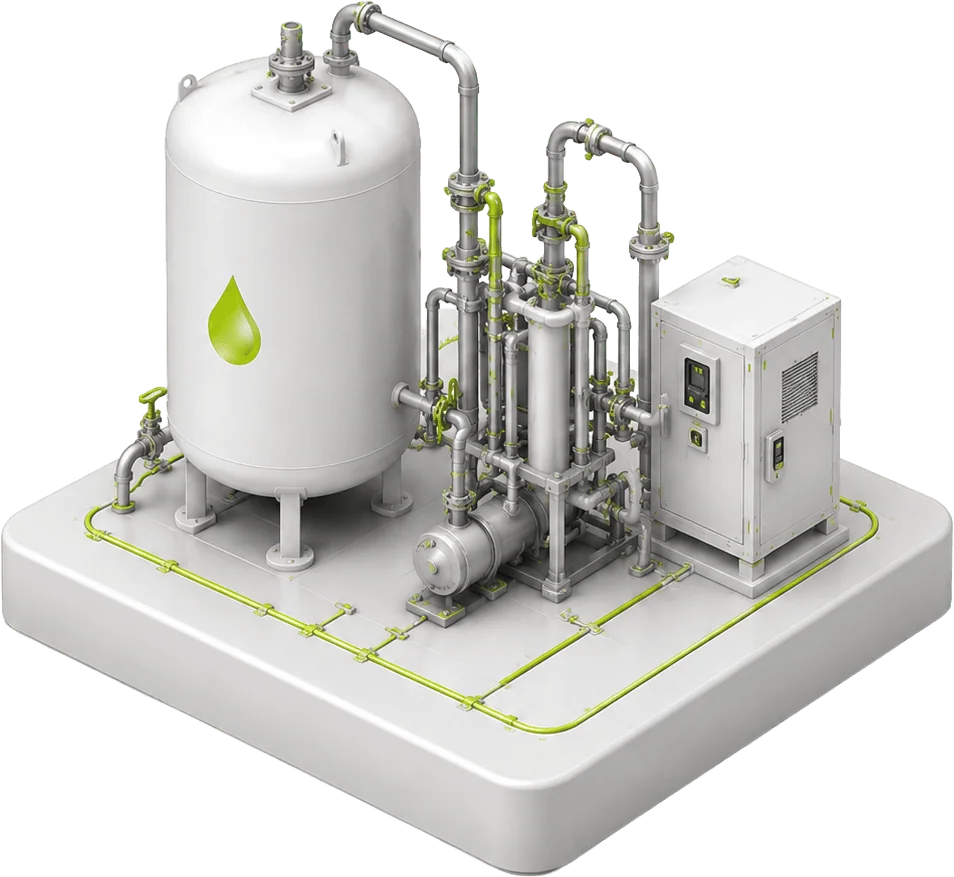
Water treatment
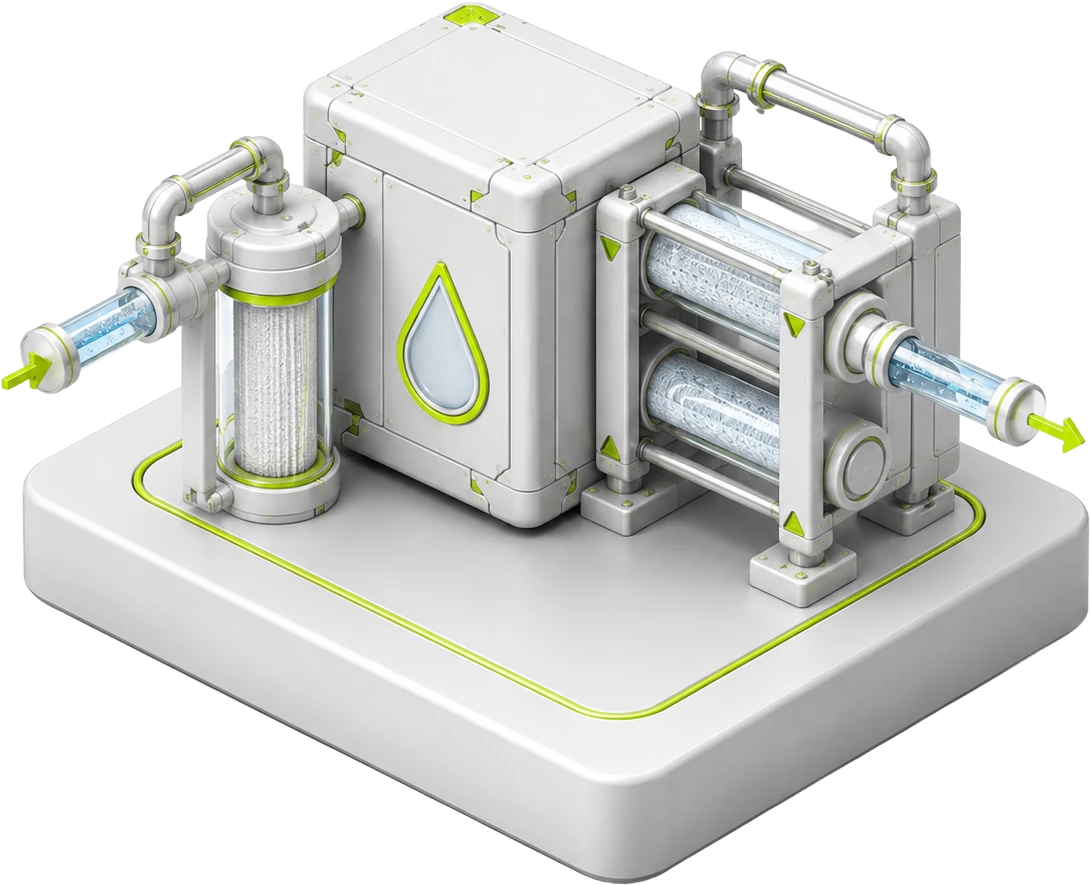
Water is treated to the quality required for electrolysis and reliable long-term equipment operation.
04
PEM electrolysis
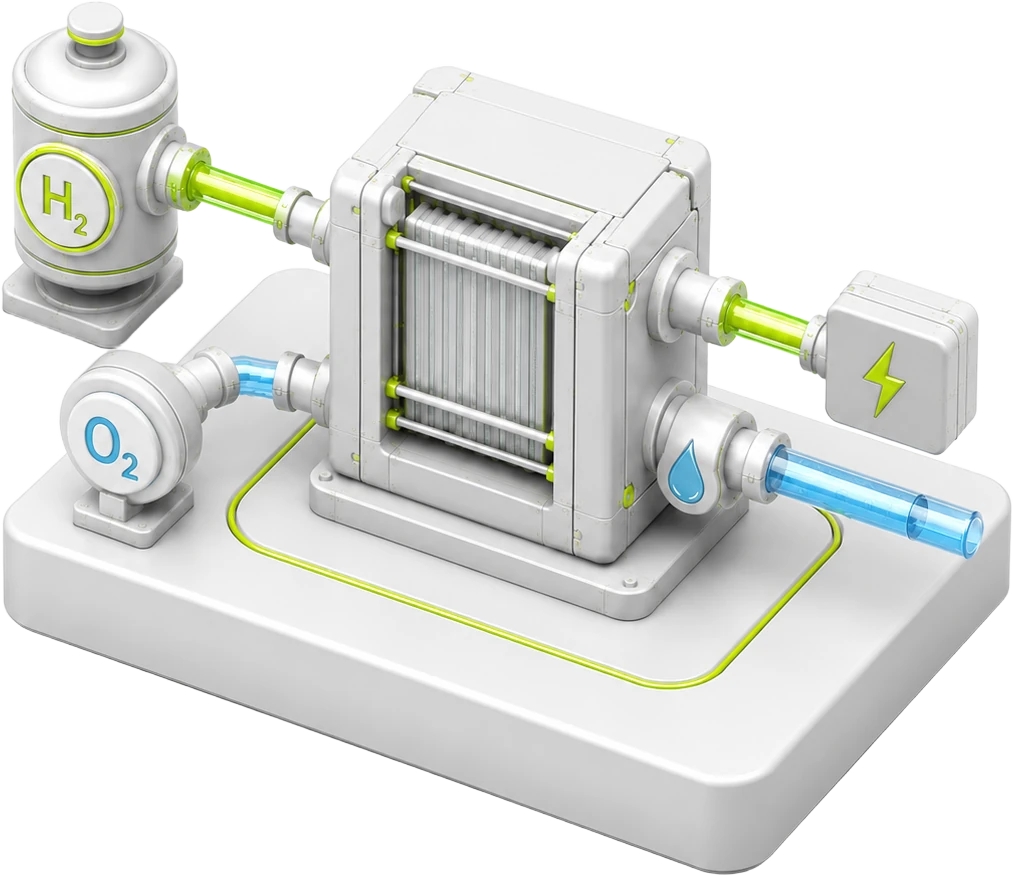
Renewable electricity and water are converted into hydrogen, with oxygen as a secondary technical stream.
05
Hydrogen conditioning
Gas is dried, purified or conditioned according to the target product specification.
06
Compression
Hydrogen is compressed to storage and trailer-compatible pressure levels.
07
Buffer storage
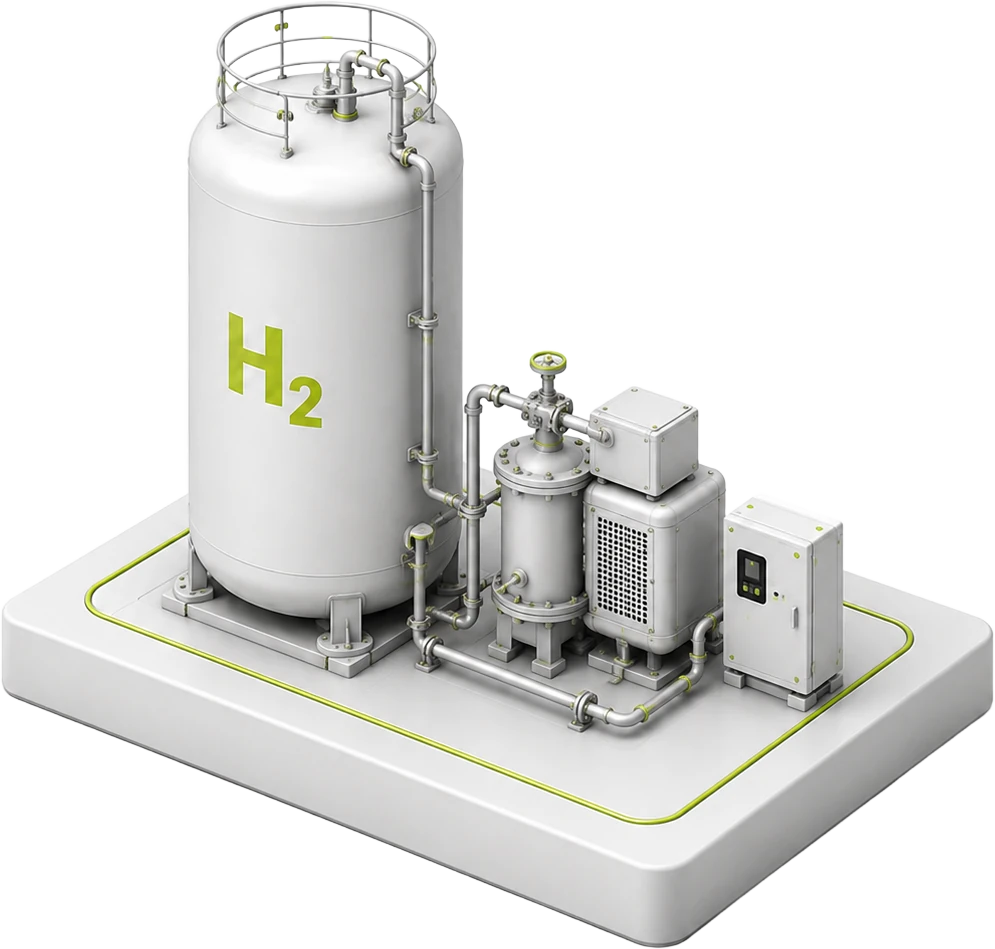
On-site storage balances production, loading windows, customer scheduling, and system availability.
08
Trailer loading
Hydrogen is prepared for road-based delivery in the first commercial phase.
09
Regional logistics
Deliveries can serve industrial customers within a realistic regional radius.
10
Industrial offtake
Customers receive a supply solution defined by quality, pressure, volume, delivery frequency, traceability, and contract structure.
PRIMARY PRODUCT
Green Hydrogen (H₂)
SECONDARY STREAM
Oxygen (O₂)
Technically relevant. Monetization optional. Not a core first-phase revenue stream.
The preferred technology route is PEM electrolysis because the project is built around a dynamic solar-led operating profile.
The facility is not designed as a constant 24/7 baseload plant. Its operating rhythm follows renewable availability: prepare the system, ramp with the solar window, operate during the main production period, condition and compress hydrogen, balance storage, and use non-production hours for readiness, maintenance, water management, and optimization.
OPERATING RHYTHM
Pre-start & system readiness
→
Ramp-up with solar generation
→
Production window
→
Compression & storage balancing
→
Optimization & maintenance window
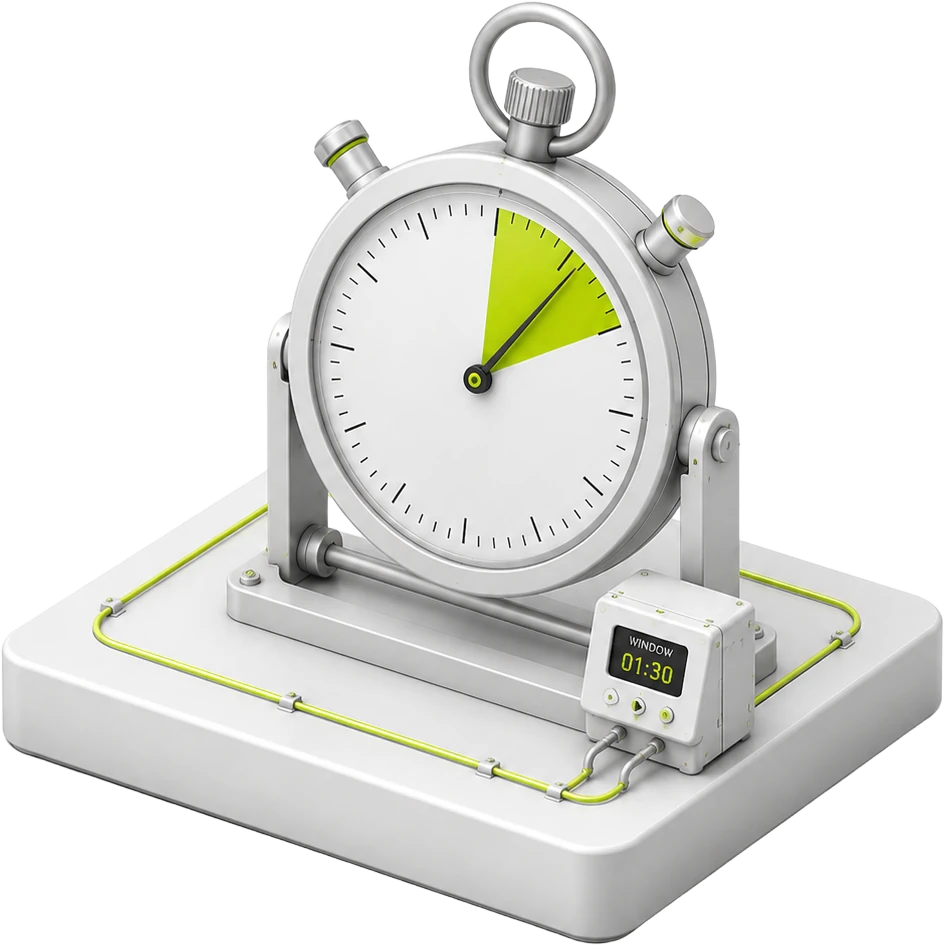
Operating logic ~10 hours per day — aligned with real solar availability, optimized for efficiency, not theoretical baseload.
TECHNOLOGY COMPARISON
PEM electrolysis
Preferred
Dynamic operation, fast ramping, partial-load performance.
SOEC
Future / premium
High efficiency potential. Requires deeper validation.
Alkaline electrolysis
Alternative
Established technology, less aligned with the dynamic solar profile.
Final supplier decisions will follow RFQ, engineering, and validation.
GreenCore is not only coordinating equipment. It is structuring the hydrogen platform as a technical, commercial, and operational system.
GreenCore’s role covers technical concept development, system architecture, electrolysis configuration, integration into renewable-energy infrastructure, business case and market logic, supplier and technology evaluation, digital operating philosophy, implementation pathway, and future scalability.
SYSTEM ARCHITECTURE
Defines the hydrogen island, interfaces, control philosophy, and scalable configuration.
TECHNOLOGY EVALUATION
Benchmarks electrolysis, compression, balance-of-plant, storage, loading, service, and guarantees.
COMMERCIAL STRUCTURING
Connects production planning with customer offtake, logistics, certification, and financing logic.
DIGITAL OPERATIONS
Prepares the plant for SCADA, monitoring, telemetry, analytics, optimization, and future digital twin use.
SCALABILITY PATHWAY
Allows the first site to develop in phases and become a repeatable renewable molecule model.
Industrial customers need more than a molecule. They need defined quality, pressure, volume, delivery reliability, logistics, traceability, certification readiness, and contractual confidence.
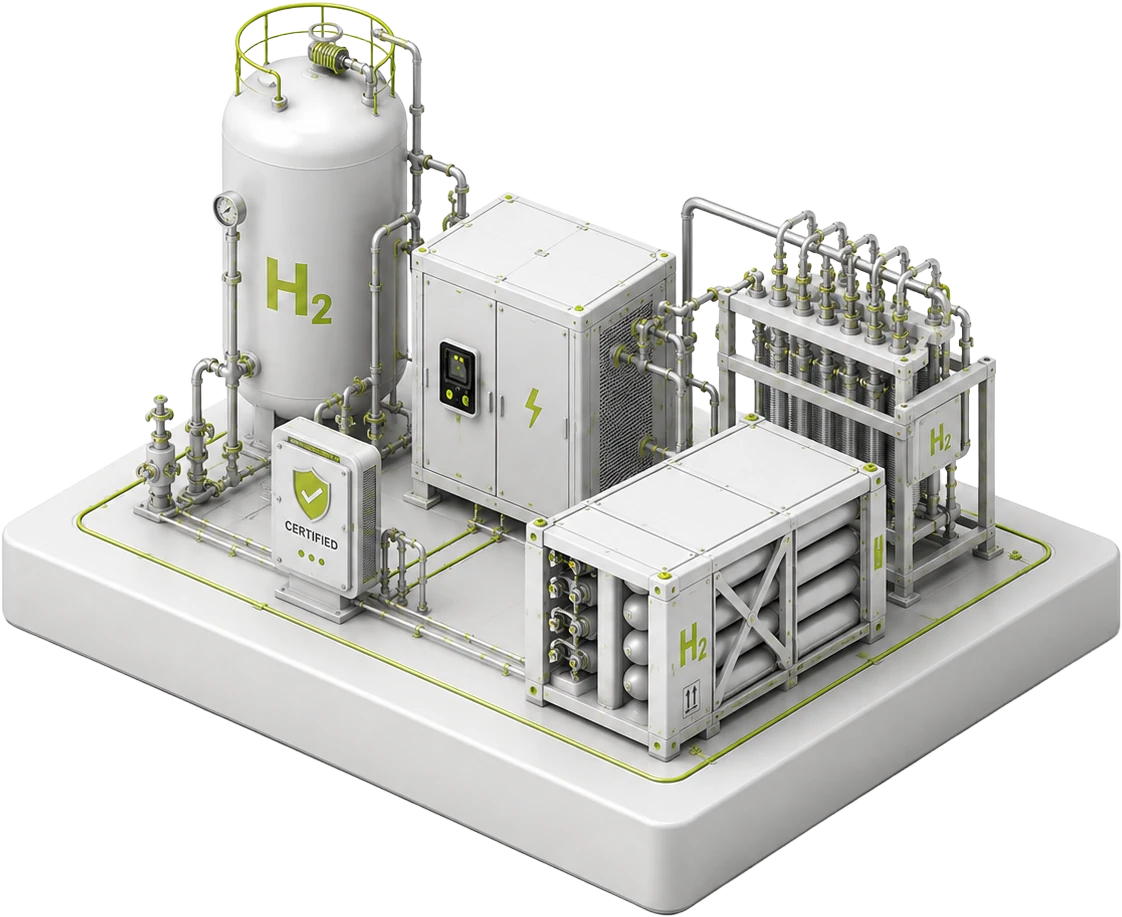
The commercial product is green hydrogen, but the customer value is the complete supply architecture around it. Different customers require different product specifications, pressure levels, delivery frequencies, certification documents, and contractual structures. GreenCore must therefore develop hydrogen as a reliable industrial supply solution, not a simple commodity.
QUALITY
Fit-for-purpose hydrogen specification for industrial use.
PRESSURE
Compatible with storage, delivery, and customer-side requirements.
RELIABILITY
Predictable volume, delivery rhythm, and operational planning.
TRACEABILITY
Renewable electricity accounting and certification readiness.
LOGISTICS
Trailer delivery and regional supply coordination.
CONTRACT CONFIDENCE
Offtake terms that support customer planning and project bankability.
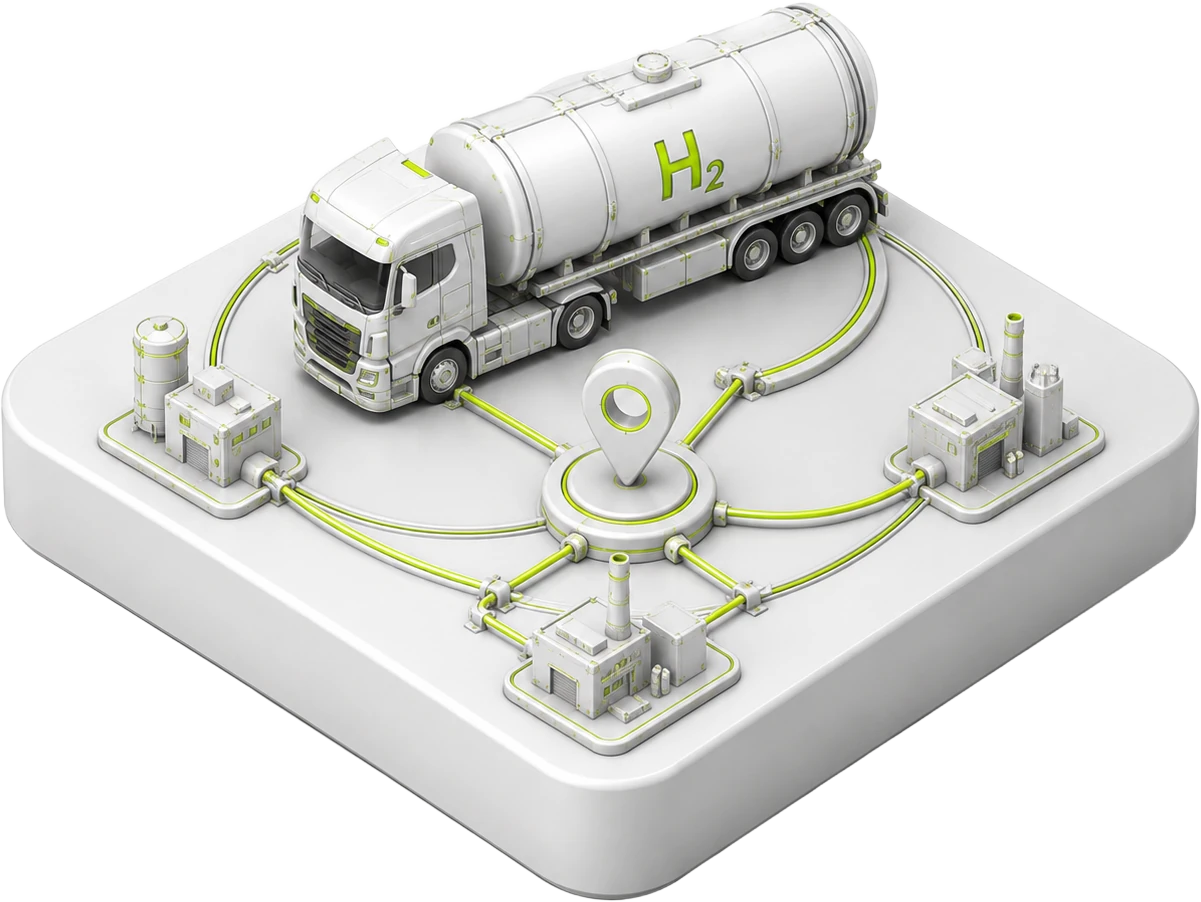
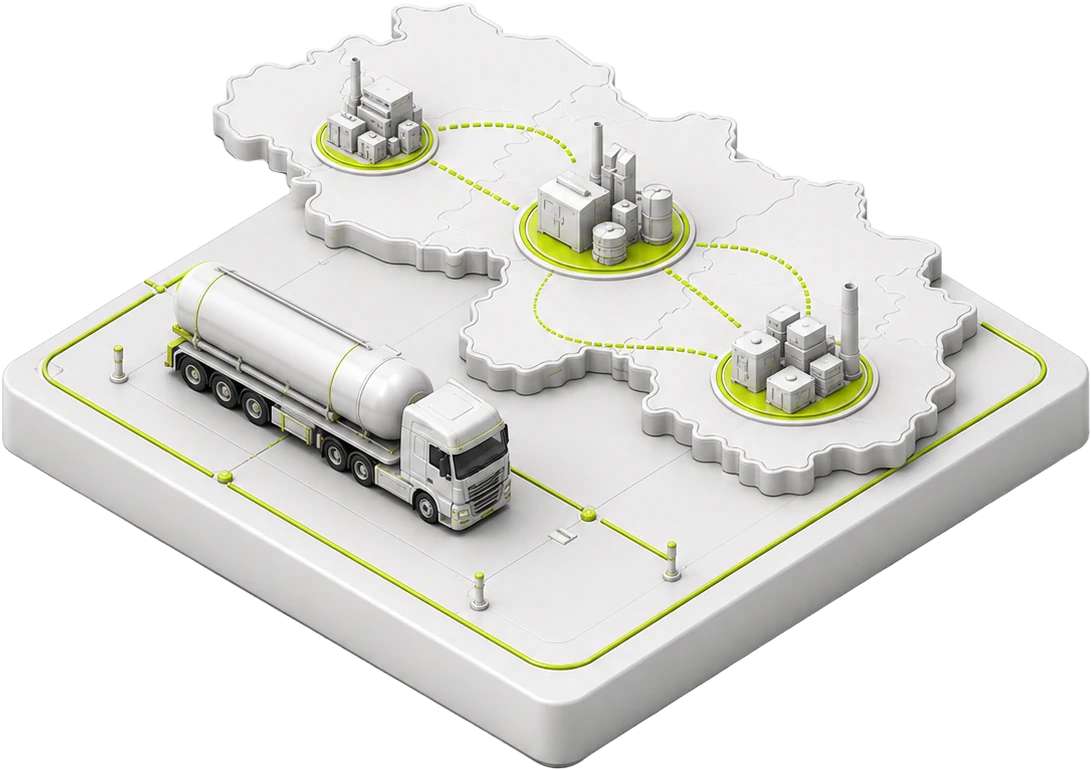
The first commercial logic is regional and trailer-based. Future pipeline or corridor integration can improve scale, but it is not a prerequisite for the project’s first phase.
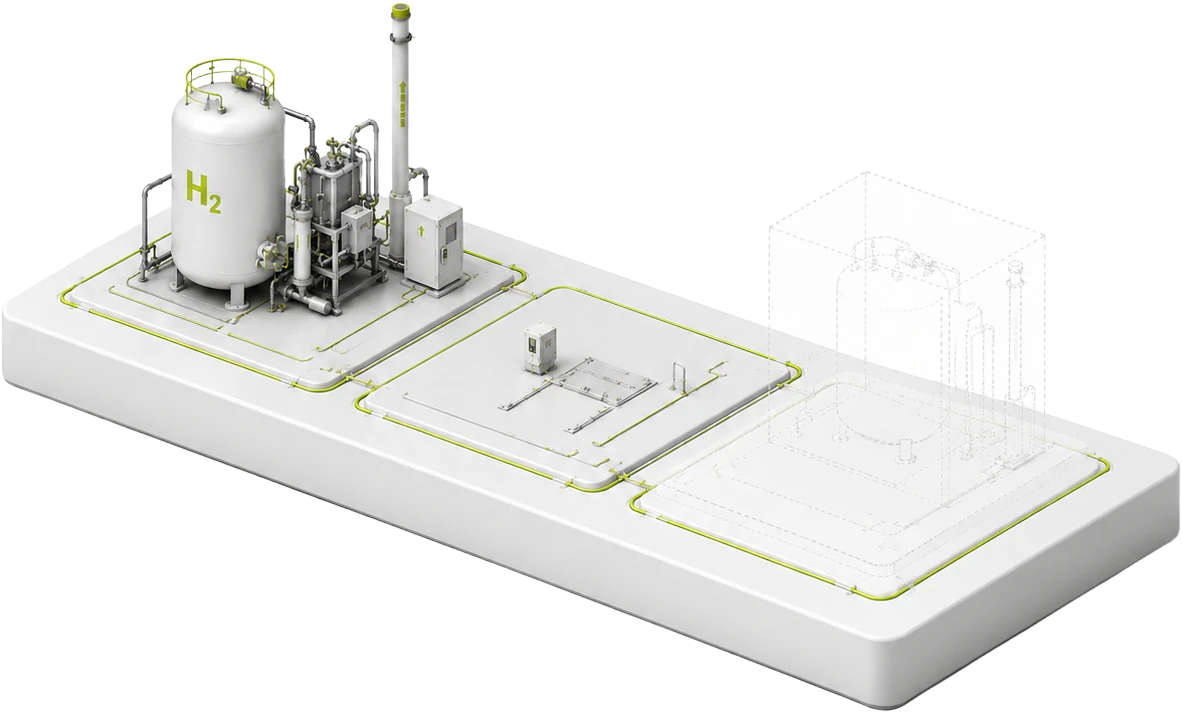
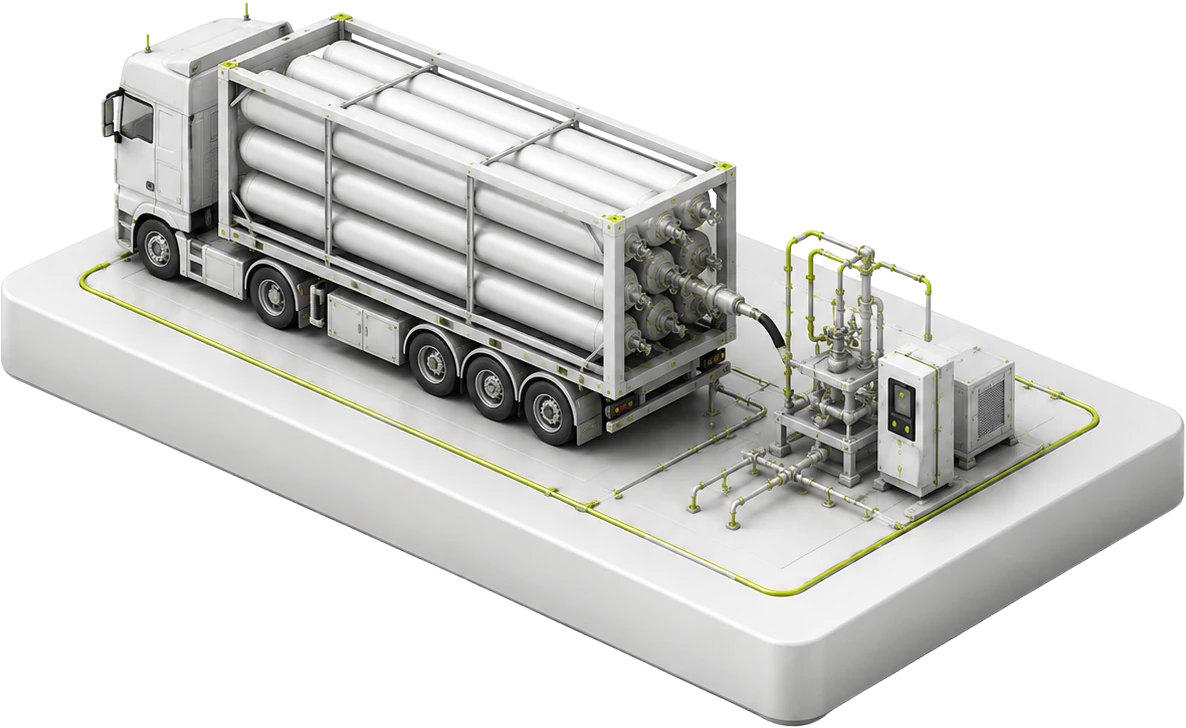
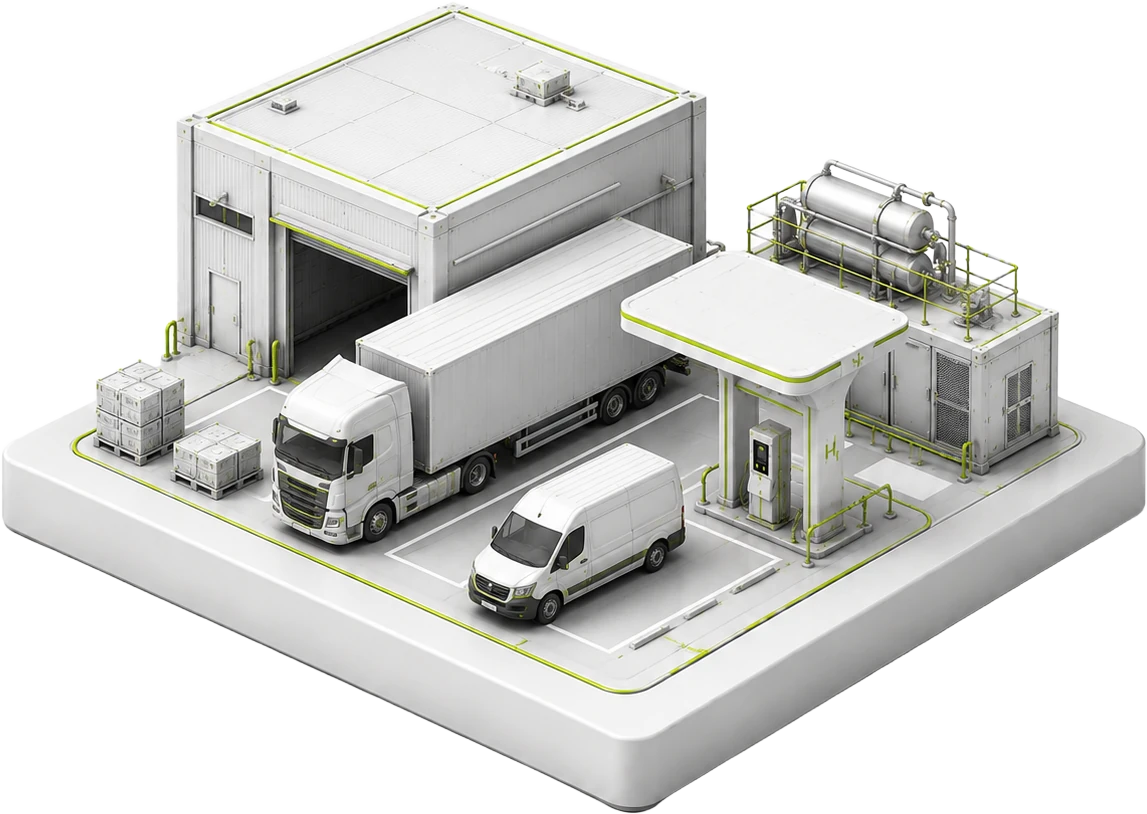
Phase 1 should focus on compressed gaseous hydrogen, buffer storage, trailer loading, and delivery to regional industrial customers. This allows commercialization without waiting for dedicated hydrogen pipelines. As demand grows, the platform can evolve into a regional hub and later preserve optionality for pipeline or corridor integration.
PHASE 1 · TRAILER-BASED REGIONAL DELIVERY
Production plant
→
Buffer storage
→
Trailer loading
→
Regional delivery
→
Industrial offtaker
Phase 2 · Regional hub & cluster distribution ··· Phase 3 · Pipeline & corridor integration as future optionality
OFFTAKE FOCUS
ANCHOR INDUSTRIAL OFFTAKERS
Customers with existing hydrogen or direct process demand.
NEAR-FIELD DECARBONIZATION USERS
Regional industrial sites with process-energy or emissions-reduction needs.
MOBILITY AND LOGISTICS CLUSTERS
Complementary channel, not the main initial bankability pillar.
EXPORT AND DERIVATIVES
Longer-term opportunity after scale, infrastructure, and contracts mature.
LOGISTICS PRINCIPLES
✓
Compressed gaseous H₂
✓
Buffer storage
✓
Trailer loading
✓
Regional industrial supply
✓
Customer-specific delivery profiles
✓
Future pipeline and corridor optionality preserved
GreenCore should not be treated as a static plant. The project is designed with a digital operating philosophy that can monitor, validate, and optimize performance over time.
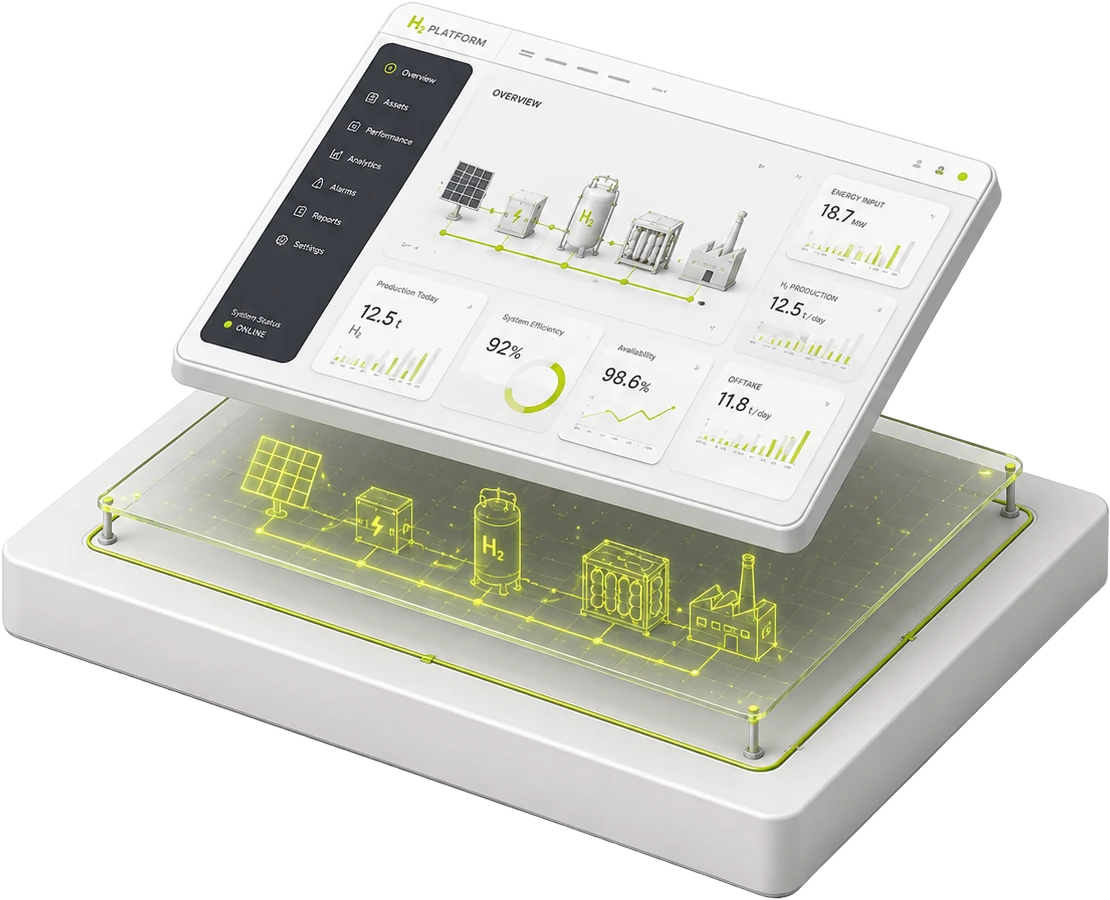
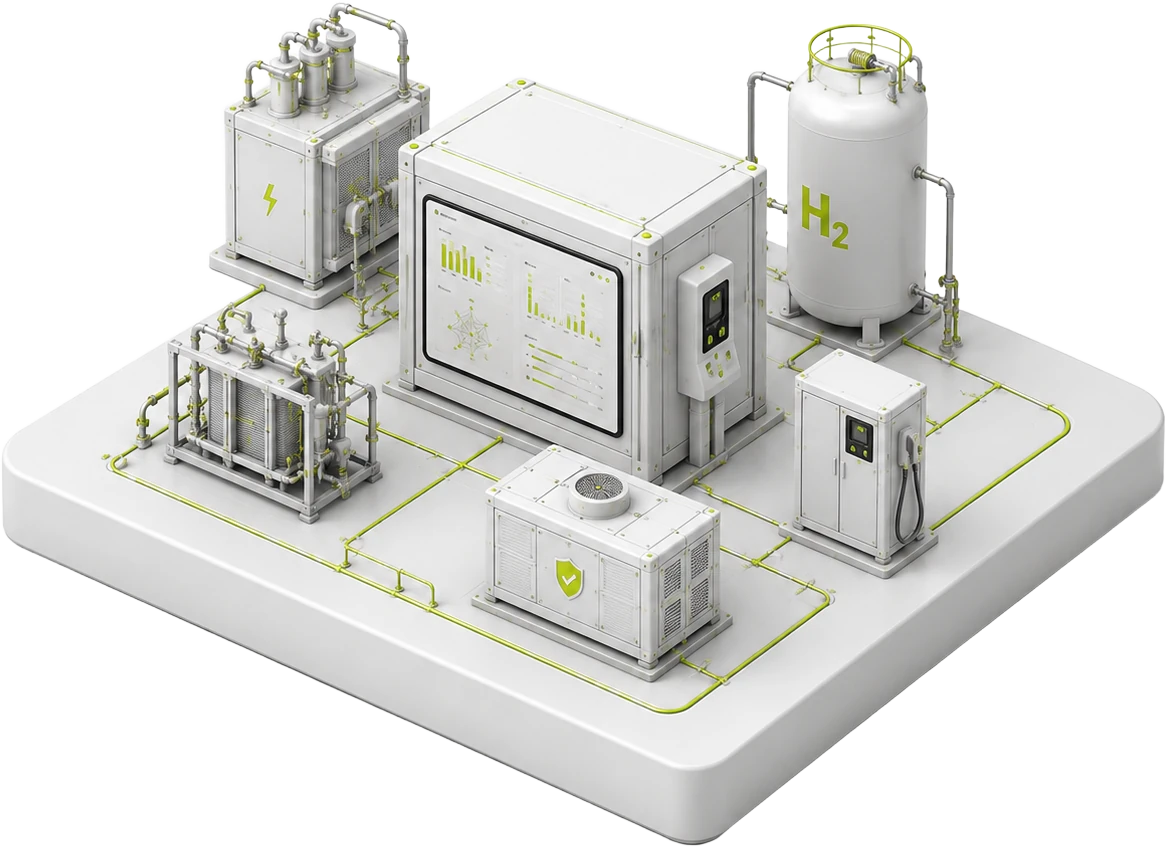
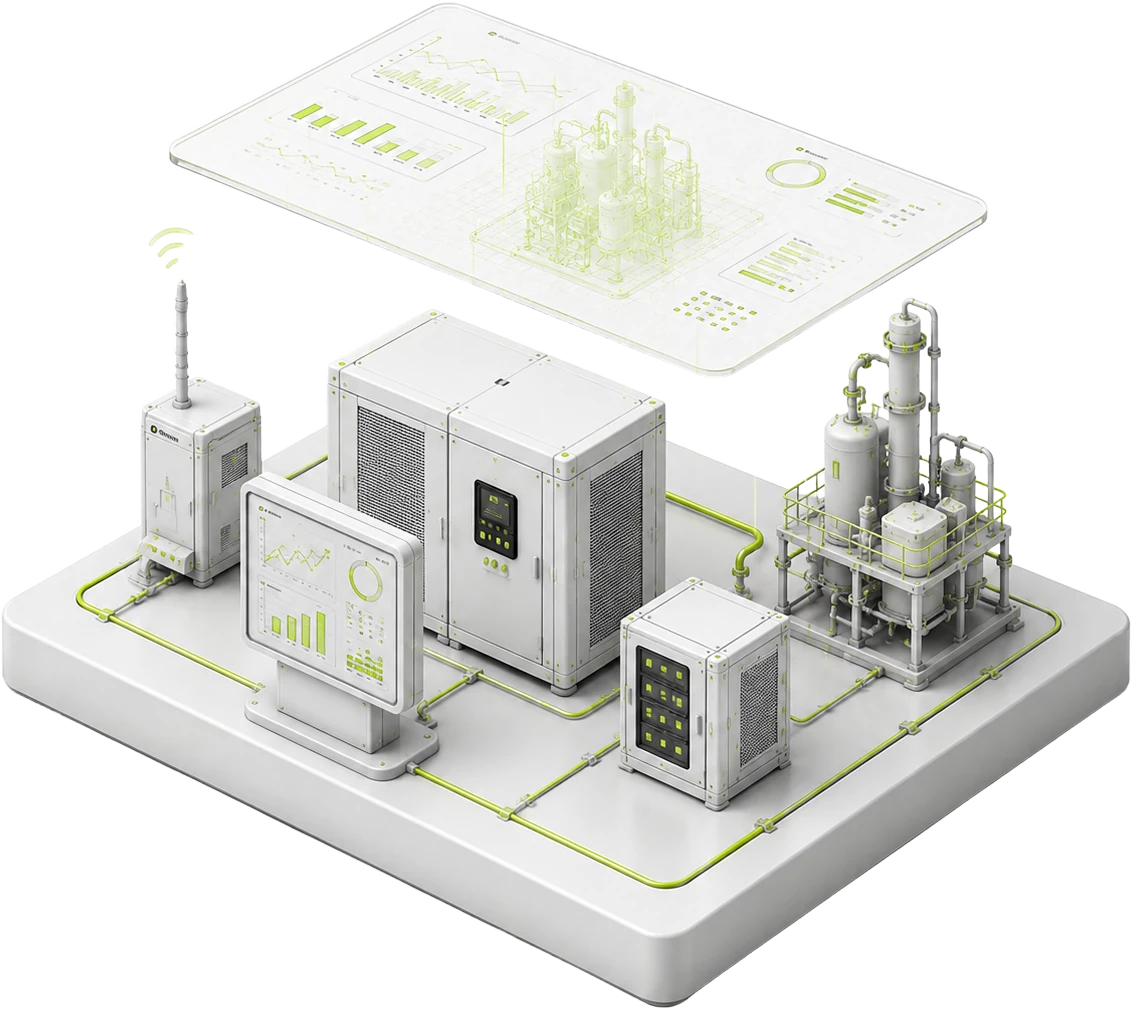
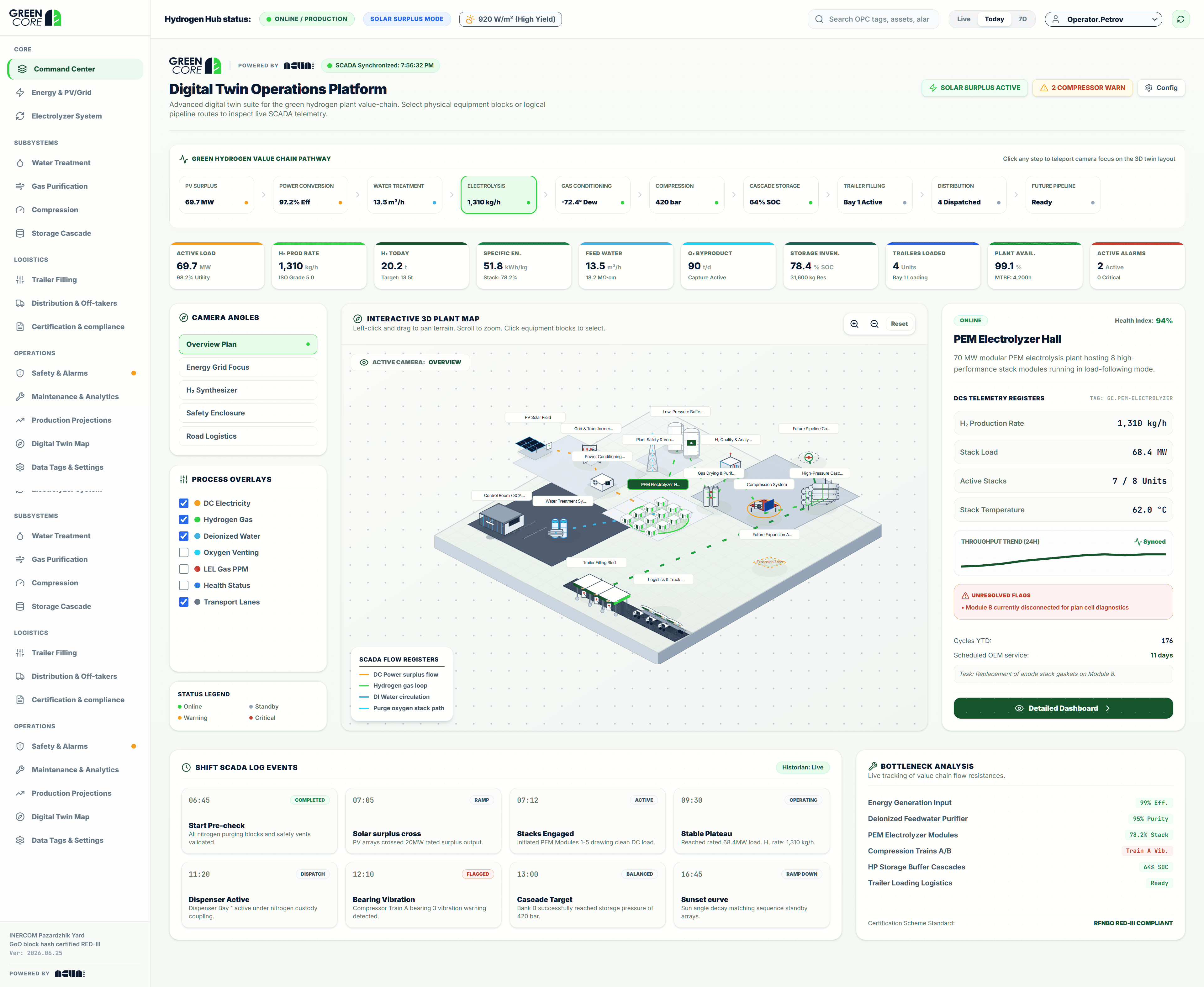
The operating system should track energy input, electrolyzer load, efficiency curves, water quality, hydrogen production volume, gas quality, compression performance, storage state, trailer loading, logistics movements, maintenance events, and system availability. SCADA, IoT data capture, dashboards, analytics, predictive maintenance, anomaly detection, performance optimization, and a future Digital Twin are practical operating tools, not decorative visuals.
LIVE PLANT OVERVIEW · ILLUSTRATIVE
ENERGY INPUT
58.6 MW
Solar availability
ELECTROLYZER LOAD
84%
Dynamic operation
H₂ PRODUCTION
2.48 t/h
Real-time output
STORAGE STATE
76%
Buffer level
TRAILER LOADING
1.02 t
Today’s loaded volume
SYSTEM AVAILABILITY
98.7%
24h availability
Illustrative telemetry — representing the future SCADA / dashboard / Digital Twin layer, not yet deployed.
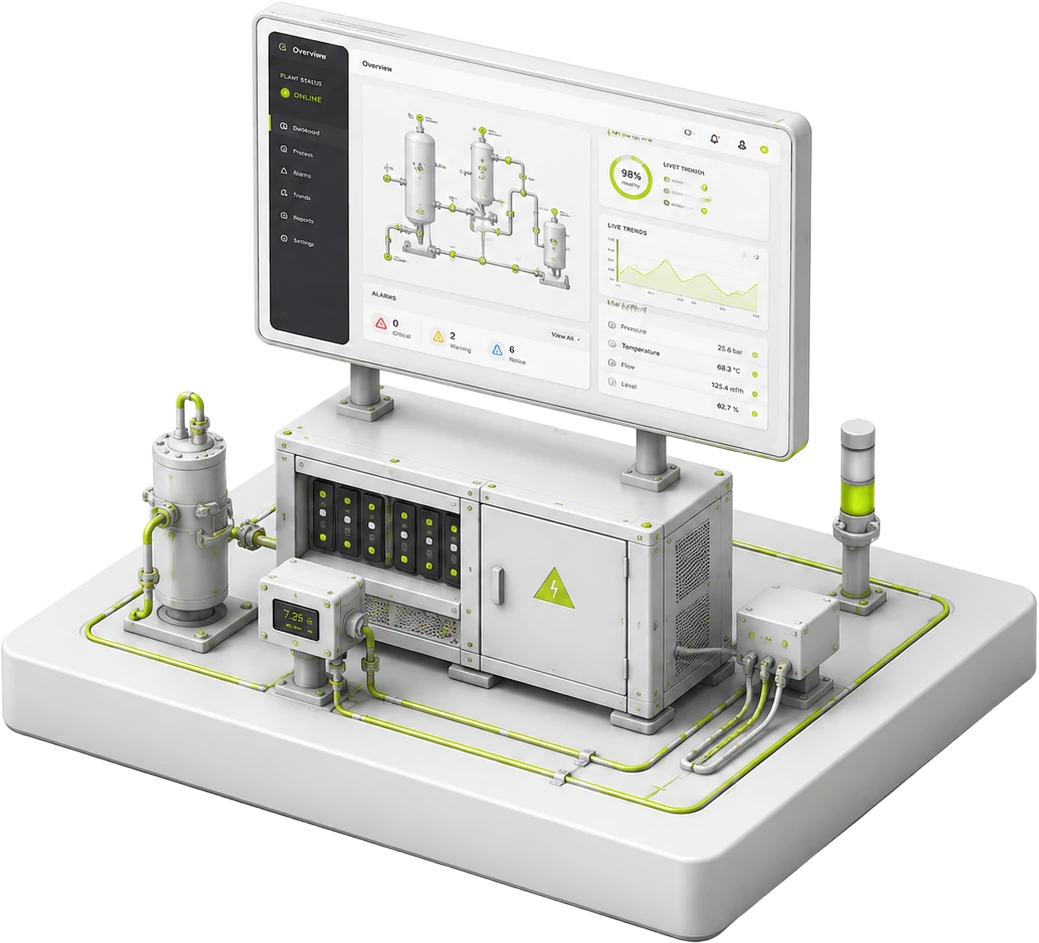
SCADA & MONITORING
Real-time plant visibility and operational control.
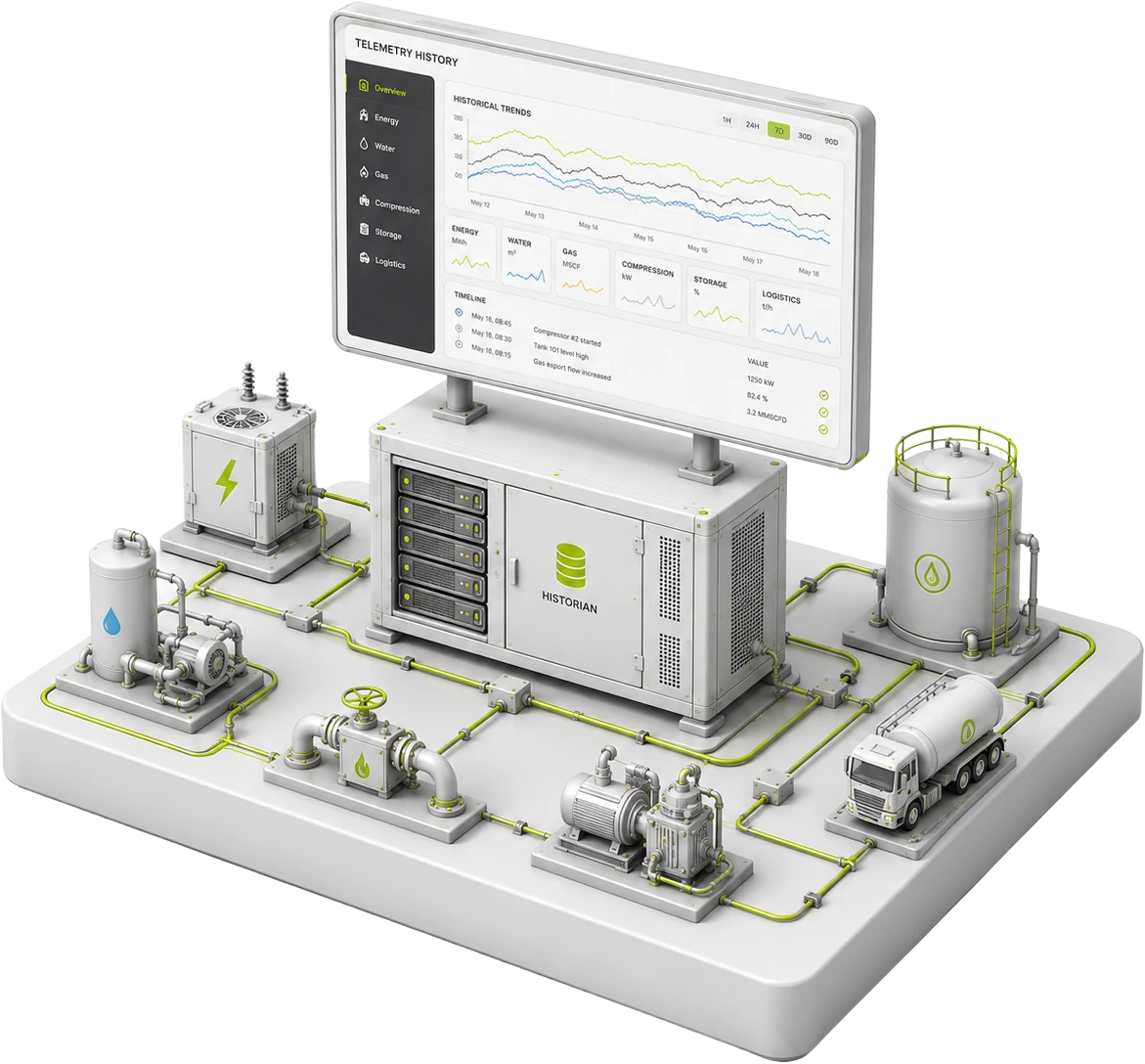
TELEMETRY HISTORY
Performance data across energy, water, gas, compression, storage, and logistics.
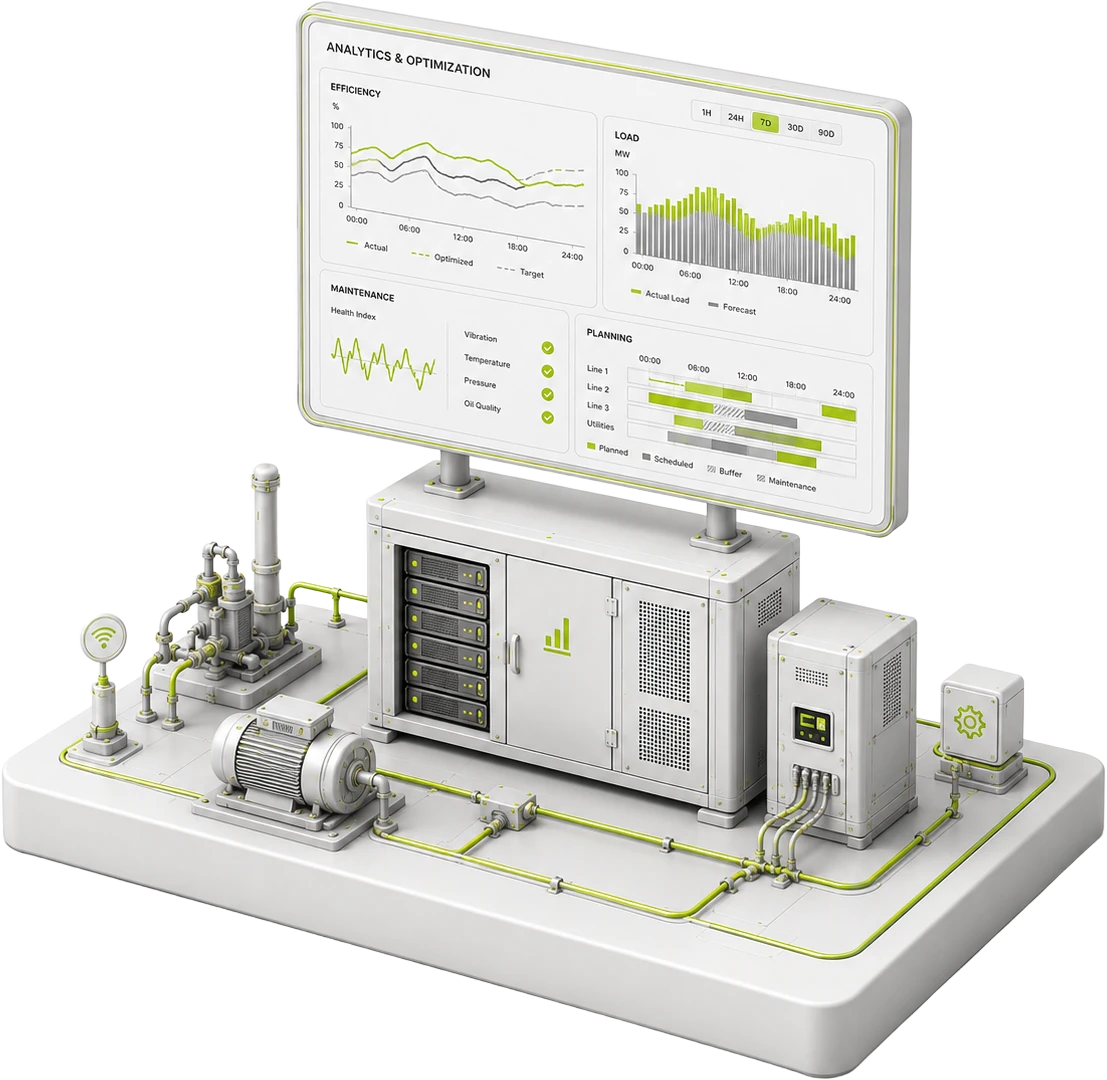
ANALYTICS & OPTIMIZATION
Efficiency curves, load behavior, maintenance signals, and production planning.
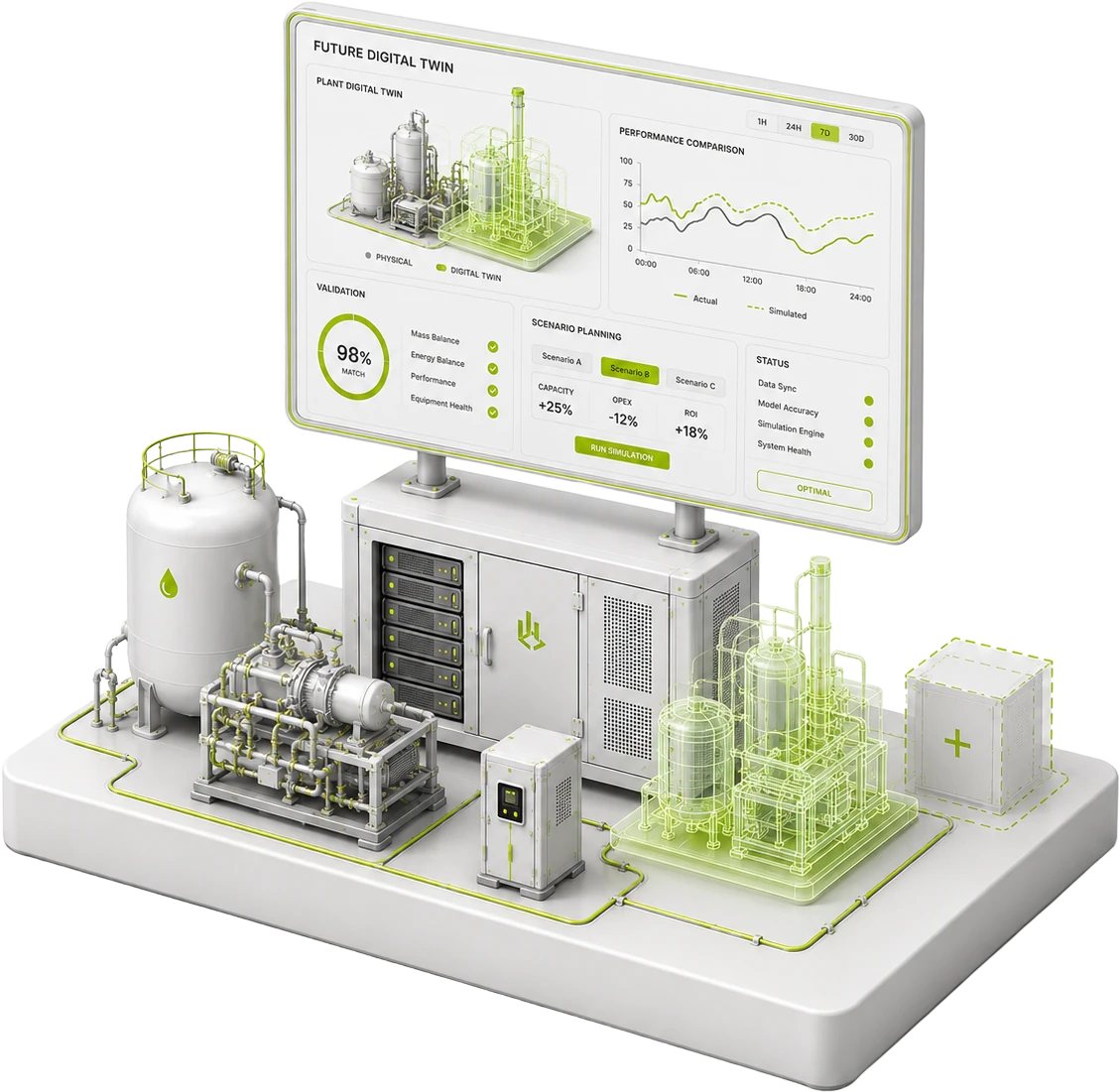
FUTURE DIGITAL TWIN
Validation and simulation tool for plant performance, expansion planning, and investor/operator transparency.
The project is a well-developed industrial project platform moving toward implementation, not a completed facility.
Core elements have been conceptually defined: business logic, site logic, energy basis, production parameters, preferred technology route, offtake logic, transport strategy, digital architecture, implementation pathway, and scalability concept. The next stage should deepen engineering, supplier benchmarking, governance, site and water validation, permitting and safety, offtake term sheets, financing, technical specifications, and execution packages.
01
CONCEPT PLATFORM
Business logic, site basis, value chain, commercial thesis.
02
ENGINEERING VALIDATION
Deeper feasibility, water/site validation, permitting and safety.
03
SUPPLIER RFQ
Benchmark electrolysis, compression, storage, loading, service, and guarantees.
04
OFFTAKE STRUCTURING
Industrial customer discussions, term sheets, delivery requirements.
Key assumption: not all milestones are completed. Supplier decisions, offtake contracts, permitting, financing, and pipeline access are not yet in place.
GreenCore creates value by turning renewable energy surplus into a structured industrial supply platform.
CUSTOMER VALUE
For customers, the value is earlier access to regional green hydrogen supply, defined product and delivery conditions, traceability, certification readiness, and a pathway to reduce fossil-based process inputs without depending immediately on future pipeline infrastructure.
ACCESS TO GREEN HYDROGEN SUPPLY
Regional proximity, faster availability.
RELIABLE SUPPLY SOLUTION
Quality, pressure, volume, delivery reliability.
DECARBONIZATION SUPPORT
Replace or reduce fossil-based inputs.
CERTIFICATION-READY PRODUCT
Traceability, GoO, RFNBO alignment.
INDUSTRIAL PARTNERSHIP
Long-term supply relationships.
VALUE FOR INVESTORS
For investors, the project offers an asset-backed infrastructure thesis: renewable surplus monetization, industrial offtake potential, phased execution, modular scalability, regional-first commercialization, future corridor optionality, and data-driven operations.
ASSET-BACKED INFRASTRUCTURE
Physical assets with long-term value.
RENEWABLE SURPLUS MONETIZATION
Transform time-bound power into product.
INDUSTRIAL OFFTAKE POTENTIAL
Real demand from real industries.
PHASED EXECUTION & SCALABILITY
Lower risk, modular growth.
FUTURE CORRIDOR OPTIONALITY
Export potential when infrastructure matures.
DATA-DRIVEN OPERATIONS
Higher efficiency, transparency, lower risk.
KEY INVESTMENT ATTRIBUTES
✓
65–70 MW electrical capacity
✓
Approx. 4,300–5,100 t H₂/year production potential
✓
Trailer-first regional delivery
✓
Modular and expandable design
✓
EU-aligned sustainability and regulation
✓
Strategic location in Bulgaria
Infrastructure value is created when energy, customers, logistics, and operations are structured together.
15
OUR COMMITMENT
Renewable energy becomes more valuable when it becomes
industrial infrastructure
.
GreenCore is building a reference model for renewable energy transformation: from available solar surplus, to green hydrogen, to regional industrial supply, to a scalable platform for future clean molecules.
The project is designed to be practical from the first phase and expandable over time. It starts with regional supply logic, compressed hydrogen logistics, and industrial offtake requirements, while preserving the technical and commercial optionality for future hub growth, corridor integration, and replication at other renewable surplus locations.
Discuss industrial offtake
For industrial customers exploring green hydrogen supply requirements.
GreenCore is developed with support from a local renewable-energy infrastructure partner in Bulgaria. This cooperation brings existing energy assets, site proximity, and local project context to the project.
Stronger together. Built for what’s next.
Industrial offtake · Project development · Hydrogen platform
GREENCORE HYDROGEN — PLACEHOLDER ASSET REGISTRY (hidden; replace before launch). Icon slots use class 'GreenCore Hydrogen / Placeholder Icon' (64px) or 'Placeholder Icon Sm' (48px) with a data-icon attribute naming the intended isometric 3D icon; each currently shows a '+' glyph. Large visuals use class 'GreenCore Hydrogen / Placeholder Visual' with a data-visual attribute. Inventory by section: 01 four module icons; 02 nine process icons; 03 eight metric icons; 04 five location icons + Bulgaria/SE-Europe map (data-visual=map-bulgaria); 05 six site icons + site schematic (data-visual=site-schematic); 06 three process icons + solar day curve (data-visual=solar-day-curve); 07 ten value-chain icons + hydrogen island (data-visual=hydrogen-island); 08 five operating-rhythm icons; 09 five capability icons; 10 six supply icons + central H2 supply stack (data-visual=supply-stack); 11 five phase-1 icons + four offtake icons; 12 four digital-module icons + illustrative SCADA dashboard tiles; 13 six milestone icons; 14 five customer icons + six investor icons; 15 three CTA icons. NOTE: the three 'Contact Us' teaser links currently point to #contact — repoint to the real contact target. NOTE: existing repo isometric .webp icons (media-assets/GreenCore_Hydrogen_Project_Page) can be wired in once uploaded to Webflow Assets.
collaborations and partnerships
Let’s Build the Future Together
We’re always open to new partnerships with innovators, researchers, and industry leaders.

.svg)